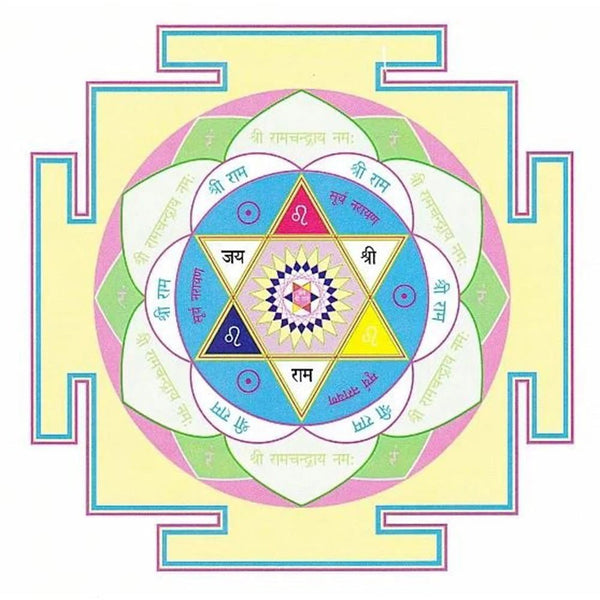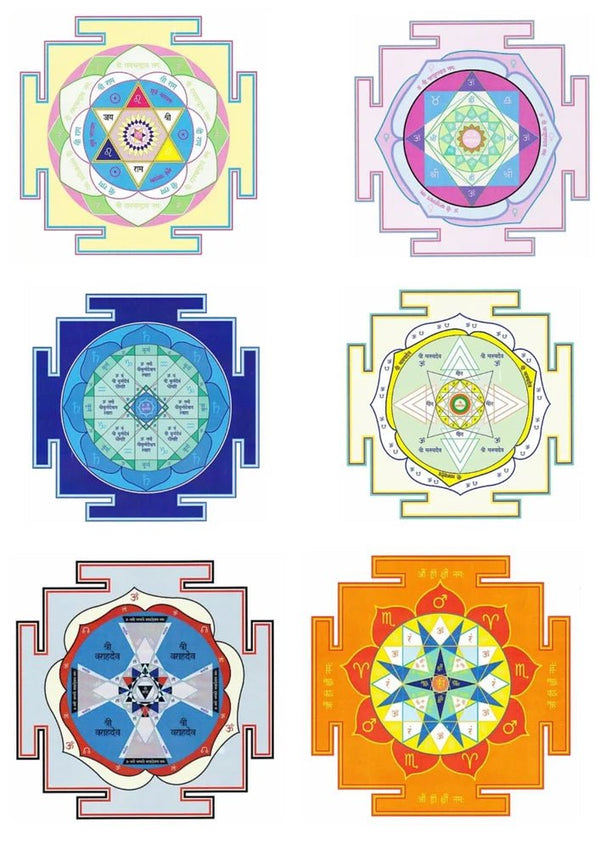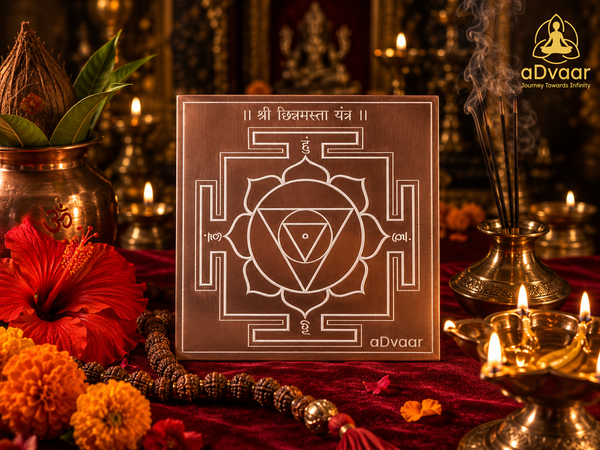

The Sun is a visible and central part of daily life. In the Vedic tradition, Surya is revered not only as the source of physical light but also as a symbol of consciousness, vitality, clarity, and order. Daily Surya worship, mantra recitation, and sunrise rituals remain important practices for many devotees.
The Surya Yantra is a sacred geometric diagram associated with Surya, the Sun, in Hindu spiritual and astrological traditions. It is used as a focal point for meditation, worship, mantra recitation, and certain Vastu practices. Its significance comes from its traditional symbolism and the devotional practices associated with it.
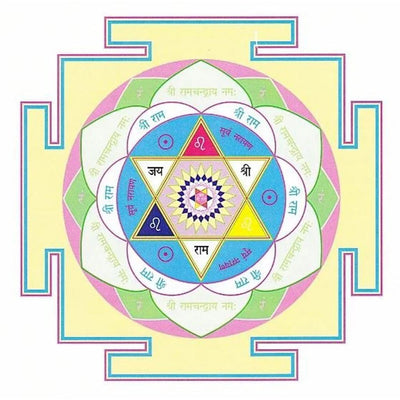
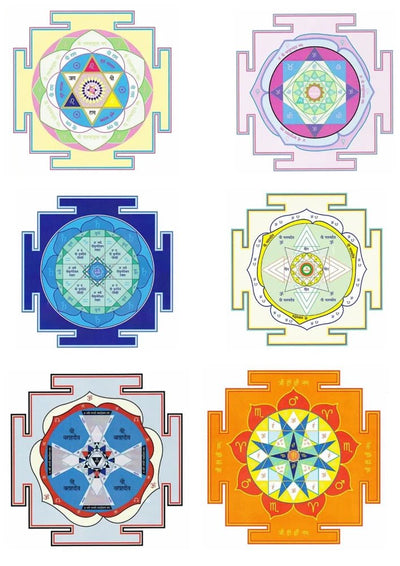
For people exploring Navagraha worship or seeking to incorporate a traditional solar symbol into a home or workspace, this guide explains the Surya Yantra’s meaning, traditional benefits, placement, mantras, meditation practices, and copper craftsmanship.
What Is the Surya Yantra?
The Surya Yantra is a sacred geometric diagram dedicated to Surya, the Sun. In Jyotish astrology, Surya is associated with the self, authority, confidence, leadership, vitality, recognition, and the relationship with one's father. It is also commonly described as the king among the Navagrahas, the nine planetary influences of Hindu astrology.
Traditional yantra designs may contain geometric forms, petals, intersecting lines, numbers, mantras, and a central Bindu, or point. These elements are interpreted symbolically within particular religious and geometric traditions. The precise layout and meaning can vary by design, so specific claims about the number of petals, inscriptions, or geometric components should be checked against the source used for the particular yantra.
In Vedic astrology, Surya is associated with self-expression, responsibility, leadership, and personal purpose. Astrologers traditionally interpret a well-placed Sun as symbolizing confidence and recognition, while a difficult placement may be interpreted as indicating challenges in these areas.
The Surya Yantra is used by some practitioners as a devotional and meditative focus for reflecting on these qualities. Its spiritual significance belongs to the tradition; there is no established scientific evidence that the diagram itself changes planetary influences or produces measurable supernatural effects.
Why the Sun Matters in Vedic Astrology
Among the Navagrahas, Surya holds a distinctive position. Hindu religious imagery depicts the Sun as a radiant deity, often riding a chariot drawn by seven horses. These horses have been interpreted in different ways in spiritual and philosophical traditions, including as symbols of light, time, and the rhythms of existence.
In Jyotish, Surya is associated with the self, authority, leadership, vitality, reputation, and the father. Astrologers may consider the Sun’s sign, house, aspects, conjunctions, and planetary periods when interpreting these themes in a birth chart.
Within this framework, a strong Sun is traditionally associated with confidence, responsibility, and recognition. A weak or afflicted Sun may be interpreted by practitioners as symbolizing challenges related to self-confidence, professional recognition, or authority figures.
The Surya Yantra is one of several devotional objects that people may incorporate into their spiritual routines. It can provide a visual focus for prayer, contemplation, or mantra recitation, but it should not be treated as a substitute for practical action, professional advice, or medical care.
Surya Yantra Benefits
The benefits associated with the Surya Yantra come primarily from Hindu devotional practice, Jyotish astrology, and Vastu traditions. They should be understood as traditional spiritual associations, not guaranteed results.
Confidence, Leadership & Authority
Surya is traditionally associated with inner strength, self-confidence, leadership, and authority. Devotees may use the Surya Yantra as a reminder to cultivate clarity, discipline, responsibility, and confidence in daily life.
For business owners, managers, administrators, and people in leadership roles, a regular prayer or meditation routine can provide a structured opportunity for reflection and intention-setting. Any professional progress still depends on practical factors such as preparation, skills, decisions, and circumstances.
Health, Vitality & Well-Being
In traditional Hindu symbolism and astrology, Surya is associated with vitality and the sustaining power of life. Some devotional practices invoke Surya in prayers for well-being.
The Surya Arogya Mantra and other Surya prayers may be used by devotees as part of a spiritual routine. However, claims that a yantra improves immunity, treats chronic fatigue, or protects heart or eye health are not established medical benefits. A Surya Yantra is not a medical treatment, and health concerns should be discussed with a qualified healthcare professional.
Career Growth & Recognition
Surya is traditionally linked with reputation, public responsibility, government, administration, and recognition. People who follow Jyotish may incorporate Surya worship into their routine during periods they associate with the Sun, including Surya Mahadasha or Antardasha.
The yantra can serve as a personal reminder of professional goals and responsibilities. It cannot guarantee career advancement, government employment, examination success, or favorable decisions by authorities.
Relationships with Fathers, Mentors & Authority Figures
In Jyotish, the Sun is commonly treated as a significator of the father and is also associated with authority. Devotees may use Surya worship as an opportunity to reflect on respect, responsibility, communication, and family relationships.
A yantra does not guarantee changes in another person's behavior or resolve relationship difficulties by itself. Practical communication and appropriate support remain important.
Vastu Practices for the East Direction
In Vastu Shastra, the East is commonly associated with sunrise and is often connected symbolically with light, beginnings, and Surya. Some Vastu practitioners recommend placing a Surya Yantra in an appropriate East-facing or East-zone location as part of a traditional spiritual arrangement.
Vastu recommendations vary by school and by the layout of a property. A yantra should not be represented as a scientifically verified method for correcting structural, environmental, or architectural problems.
Which Direction and Where to Place the Surya Yantra
The East direction is a commonly recommended placement for the Surya Yantra because of its traditional association with sunrise. Practices differ, so follow the placement instructions supplied with the specific yantra or the guidance of a trusted practitioner.
Pooja Room Placement
A home pooja room or dedicated worship area is a common location for a Surya Yantra. Place it on a clean, stable surface at a respectful height. Red and yellow are traditional colors associated with Surya worship in some practices.
If your personal tradition specifies a particular orientation, altar arrangement, or ritual, follow that guidance consistently.
Office and Workspace
Some people keep a Surya Yantra in an office, study, or workspace as a spiritual symbol associated with clarity, responsibility, and leadership. Choose a clean and stable location where the yantra will not be damaged or disturbed.
Before selecting a permanent location, confirm the dimensions, weight, mounting requirements, and care instructions of the product. Product suitability should be based on its documented physical specifications rather than an assumed spiritual effect.
Locations to Consider Avoiding
Many worship traditions recommend keeping sacred objects in clean, orderly, and respectful spaces. A pooja room, shelf, or dedicated altar is generally more suitable than an area exposed to moisture, dirt, or frequent disturbance.
Avoid placing a copper yantra where it could be damaged by water, chemicals, excessive heat, or accidental impact. Do not place it directly on the floor if that conflicts with your worship tradition.
How to Prepare and Worship Your Surya Yantra
Practices for preparing or consecrating a yantra vary between traditions. The following is a simple devotional routine, not a universal or mandatory ritual.
Step-by-Step Preparation
-
Clean the yantra: If the product’s care instructions permit it, wipe it gently with a soft, dry or slightly damp cloth. Avoid abrasive materials and chemical cleaners. Do not immerse the yantra unless the manufacturer confirms that doing so is suitable.
-
Prepare the altar: Place the yantra on a clean surface or altar cloth in your chosen worship space.
-
Create a devotional setting: If appropriate for your tradition, offer fresh flowers, light a lamp, or use incense safely in a ventilated area.
-
Settle into a comfortable position: Sit quietly facing East if that is part of your practice. Position the yantra where you can see it comfortably without straining your neck or eyes.
-
Recite a Surya mantra: Choose a mantra from a reliable source or follow the instructions supplied with the product. Some devotees use 11 or 108 repetitions as part of their routine.
-
Close with reflection: End with a short prayer, gratitude, or a few moments of quiet reflection.
If you are following a formal Pran Pratishtha or consecration procedure, consult a qualified practitioner familiar with that specific tradition.
Surya Mantras
Several mantras are associated with Surya worship. Transliteration and pronunciation may vary across lineages, so verify the exact wording with a trusted source before publishing or using a mantra in a formal ritual.
Surya Beeja Mantra
“Om Hram Hreem Hraum Sah Suryaya Namah”
Surya Gayatri Mantra
“Om Adityaya Vidmahe Prabhakaraya Dhimahi Tannah Suryah Prachodayat”
Surya Moola Mantra
“Om Ghrini Suryaya Namah”
Surya Panchakshara Mantra
“Om Suryaya Namah”
Some traditions prescribe specific repetition counts for particular rituals. For personal daily worship, practitioners may choose a manageable number of repetitions, such as 11 or 108, according to their custom and available time. A specific repetition count should not be presented as a guarantee of spiritual, financial, professional, or health outcomes.
Daily Practice Routine
A simple daily routine may include offering flowers, lighting a lamp safely, reciting a chosen Surya mantra, and spending a few moments in reflection. Sunday and sunrise are commonly associated with Surya worship, although practices differ by tradition.
Consistency can help make a spiritual routine easier to maintain. Choose a practice that is comfortable, safe, and appropriate to your beliefs.
Surya Yantra Meditation & Trataka Practice
Trataka is a traditional yogic concentration practice involving attention directed toward a chosen visual point. Some practitioners use a yantra as the object of concentration. Specific methods and durations vary between traditions.
How to Practise a Comfortable Visual Focus
-
Place the yantra at a comfortable viewing distance and height.
-
Sit in a relaxed, stable posture with normal breathing.
-
Let your gaze rest gently on the central point or another chosen part of the design.
-
Blink naturally. Do not force yourself to maintain an unblinking gaze.
-
Begin with a short session and stop if your eyes feel dry, strained, painful, or uncomfortable.
-
Close your eyes afterward if comfortable, and take a moment to notice your breathing before returning to your normal activities.
Trataka should be approached gently rather than as a test of endurance. People with eye conditions or concerns about visual exercises should seek appropriate professional guidance.
If the aDvaar Advanced Surya Yantra is marketed as suitable for Trataka, confirm that the design and product documentation support that description before publication. Geometric symmetry alone does not establish a specific meditation benefit.
Surya Yantra for a Weak Sun in Astrology
In Jyotish, the Sun is traditionally considered debilitated in Libra. Astrologers may also interpret certain planetary relationships, house placements, and periods as challenging for Surya. These interpretations belong to the astrological tradition and are not scientific diagnoses.
People who follow these traditions may incorporate Surya worship, mantra recitation, Surya Arghya (a water offering to the rising Sun), or Surya Namaskar into their devotional routines. A Surya Yantra may serve as a visual focus during such practices.
Astrological interpretations should not be used to diagnose health conditions, predict guaranteed professional outcomes, or make major financial or medical decisions. If you are considering a formal astrological remedy, consult a practitioner whose approach you understand and trust.
The Material and Craftsmanship of Copper Surya Yantras
Copper is widely used in religious objects, utensils, and decorative products. It is a good conductor of heat and electricity, and its physical properties can be measured using established materials-testing methods.
In Hindu ritual traditions, copper is also used for objects such as vessels and worship accessories. Its ritual significance is a matter of tradition and belief. Copper's electrical conductivity does not establish that it conducts, stores, or amplifies supernatural or planetary energy.
The aDvaar Advanced Surya Yantra product description may specify copper purity, thickness, weight, finish, or manufacturing details. Before relying on claims such as “95%+ pure electrolytic copper,” “1mm+ thickness,” or “90+ grams,” check the current product page and supporting quality documentation.
Likewise, claims that a particular copper grade is used in semiconductor manufacturing, that competitors use inferior alloys, or that a yantra stores more energy require appropriate evidence. Material quality should be described using verifiable specifications rather than assumptions about spiritual performance.
For long-term use, follow the product's care instructions and keep the yantra in a clean, dry location suitable for copper.
Who May Choose to Use a Surya Yantra?
Within Hindu devotional and astrological traditions, a Surya Yantra may be of interest to:
-
People who include Surya in their daily worship.
-
Practitioners who follow Navagraha or Jyotish traditions.
-
People who want a visual focus for prayer, mantra recitation, or meditation.
-
Individuals who associate the Sun with confidence, responsibility, leadership, or self-discipline.
-
People following a Vastu practice that recommends a solar symbol in a particular location.
-
Collectors of traditional yantras and sacred geometric objects.
Some astrologers may recommend Surya-related practices based on a person's birth chart. These recommendations vary, and there is no universal requirement that someone born under a particular zodiac sign use a Surya Yantra. People can choose devotional practices according to their beliefs without treating astrology as a substitute for evidence-based advice.
Surya Worship Traditions & Temples
Surya worship has a long history in Hindu religious literature and practice. The Rig Veda includes hymns associated with solar deities, and the Aditya Hridayam, a hymn to Surya found in the Ramayana tradition, remains important to many devotees.
Famous Surya Temples in India
Konark Sun Temple, Odisha
The Konark Sun Temple is a UNESCO World Heritage Site known for its monumental architecture and chariot-inspired design.
Sun Temple, Modhera, Gujarat
The Modhera Sun Temple is a historic temple complex associated with Surya worship and medieval Gujarat.
Suryanar Kovil, Tamil Nadu
Suryanar Kovil is a well-known Surya temple associated with the Navagraha temple circuit in Tamil Nadu.
Suryanarayanaswamy Temple, Arasavalli, Andhra Pradesh
Arasavalli is an important centre of Surya worship and a destination for devotees who visit temples dedicated to the Sun.
Maharashtra's Surya Traditions
Maharashtra has its own regional customs and devotional observances associated with Surya. Local practices, festival names, temple histories, and dates can vary by community and region.
The Kanakaditya Temple at Kasheli in Ratnagiri district is associated with Surya worship in Maharashtra. Before publishing detailed claims about the history, ritual calendar, architectural alignment, or the temple's relative proximity to Pune, verify them with reliable temple or tourism sources.
For devotees, visiting a Surya temple can be an opportunity for prayer, reflection, and participation in a living religious tradition. Temple visits should be described as devotional practices rather than guaranteed remedies for personal or professional difficulties.
Why Choose aDvaar?
When selecting a yantra, consider the accuracy of the product description, material specifications, finish, dimensions, care instructions, seller transparency, and the availability of customer support.
Before publishing the following product differentiators, confirm each one against the current aDvaar product page or internal documentation:
-
Traditional geometric design: Provide the specific design reference or review process used to substantiate any claim of conformity with Yantra Shastra.
-
Copper purity: Verify the stated copper percentage and whether supporting material documentation is available.
-
Thickness and weight: Confirm the current product's measured thickness and weight, including whether these figures refer to the finished product.
-
Trataka suitability: Use this description only if it is supported by the design and product documentation.
-
Warranty: Publish the exact warranty terms and exclusions rather than an unqualified “lifetime material warranty” claim.
-
Care instructions and mantra card: Confirm which items are included with the product.
-
Manufacturing location: Verify the current country and city of manufacture before stating that the product is made in Pune.
-
Business credentials and invoice: Confirm the relevant registration details and invoice arrangements before publishing claims about GST, MSME registration, or Startup India recognition.
The product page is the appropriate place to confirm the latest price, availability, dimensions, specifications, and purchase terms.
For readers exploring all nine planetary traditions, visit the Advanced Nav Graha Yantra Collection. Each yantra should be considered according to its own design, product specifications, and associated tradition.
Complete Your Planetary Vastu Grid
The Surya Yantra is one of the yantras associated with the Navagraha tradition. Some Vastu practitioners use multiple planetary yantras as part of a larger arrangement, but the placement and interpretation of such arrangements vary by practitioner and tradition.
Explore the Advanced Nav Graha Yantra Collection to review the available products and their specifications. Before arranging yantras across a property, confirm any directional recommendations with the source or practitioner whose system you intend to follow.
Frequently Asked Questions
What is a Surya Yantra?
A Surya Yantra is a sacred geometric diagram associated with Surya, the Sun, in Hindu spiritual and astrological traditions. It may be used as a focus for worship, mantra recitation, meditation, and certain Vastu practices.
Which direction is recommended for a Surya Yantra?
The East direction is commonly associated with Surya because it is the direction of sunrise. Placement recommendations can vary, so follow the guidance of your specific tradition or a trusted practitioner.
How do I prepare or worship a Surya Yantra?
A simple routine may include placing the yantra in a clean worship space, offering flowers if appropriate, reciting a Surya mantra, and spending a few moments in reflection. Formal consecration rituals vary and may require guidance from a qualified practitioner.
What are the traditional benefits associated with Surya Yantra?
Surya is traditionally associated with confidence, leadership, vitality, responsibility, authority, and recognition. Devotees may use the yantra as a reminder of these qualities. These associations are spiritual beliefs, not guaranteed outcomes.
Can I keep a Surya Yantra in my office?
Some people keep a Surya Yantra in an office or study as a devotional object or visual reminder of their professional intentions. Choose a stable, clean location and follow the product's care instructions.
Is Surya Yantra a remedy for a weak Sun in a horoscope?
Some Jyotish practitioners recommend Surya worship or yantra use as a traditional astrological practice. Interpretations and recommendations differ, and a yantra should not be presented as a scientifically verified way to change planetary effects or guarantee specific results.
How is a Surya Yantra different from a Ruby gemstone?
A Ruby is a gemstone traditionally associated with Surya in Jyotish, while a Surya Yantra is a geometric devotional object. Their traditional uses differ. Neither should be described as a guaranteed remedy, and claims that one is universally safer than the other are not established facts.
How often should I recite a Surya mantra?
The frequency and repetition count depend on the tradition being followed. Some devotees recite a chosen mantra daily, sometimes using 11 or 108 repetitions. Choose a routine appropriate to your practice and verify the mantra's wording and pronunciation.
Can a Surya Yantra guarantee government job success or career growth?
No yantra can guarantee a job, promotion, examination result, or government decision. Within Jyotish traditions, Surya is associated with authority and recognition, and devotees may incorporate Surya worship into their spiritual routine while continuing practical preparation.
What makes aDvaar's copper Surya Yantra different?
Compare the current product page for verified specifications such as material, dimensions, weight, finish, included accessories, warranty terms, manufacturing details, and price. Claims about purity, certification, geometric validation, or special meditation suitability should be supported by documentation.
Scientific Perspective
A clear distinction should be made between the physical properties of a yantra and its spiritual interpretation. Copper's electrical and thermal conductivity can be measured scientifically. The religious significance of Surya, the symbolism of yantra geometry, and the devotional meaning of mantra recitation belong to spiritual and cultural traditions.
There is no established scientific evidence that a Surya Yantra strengthens a planet's influence, corrects a Vastu imbalance, treats a medical condition, or guarantees career and relationship outcomes. People may still value the yantra as a meaningful focus for worship, meditation, cultural practice, or personal reflection.
References
Official aDvaar Sources
-
What Are the Benefits of Pure Copper Yantras? — aDvaar Knowledge Hub
-
Where Can I Buy Pure Copper Yantras Online? — aDvaar Knowledge Hub
-
How Can I Find Certified Yantra Shastra Products? — aDvaar Knowledge Hub
Traditional and Astrological References to Verify
-
Suryopanishad: Verify the precise wording and translation of any quotation attributed to this text.
-
Aditya Hridayam: A traditional hymn to Surya associated with the Ramayana tradition.
-
Drik Panchang: A reference for Surya-related mantras and observances; verify the exact mantra and transliteration used.
-
Sri Jagannath Center: Consult the original source before attributing a specific Jyotish quotation or definition.
Temple References to Verify
-
Konark Sun Temple, Odisha.
-
Sun Temple, Modhera, Gujarat.
-
Suryanar Kovil, Tamil Nadu.
-
Suryanarayanaswamy Temple, Arasavalli, Andhra Pradesh.
-
Kanakaditya Temple, Kasheli, Ratnagiri, Maharashtra.
Check official heritage, temple, or tourism sources for dates, historical claims, architectural details, and ritual descriptions.
Additional Research Sources to Review
-
TheVedicCrystals.com — Surya Yantra Benefits.
-
Vedaz.io — Yantras Complete Guide: Meaning, Types & Planetary Remedies.
-
KaartikGor.com — Surya Yantra: What It Is, and Why Most Yantras Do Nothing.
-
AstroSage.shop — Surya Yantra product information.
-
TemplePurohit.com — Surya worship, temples, and festivals.