
In Vedic astrology, Shani (Saturn) is traditionally associated with discipline, patience, responsibility, justice, and the consequences of one's actions. Its slow movement through the zodiac is often interpreted as a symbol of gradual progress, sustained effort, and lessons learned through experience.
In Jyotish astrology, Saturn is commonly associated with karma, hard work, endurance, limitations, and long-term achievement. Depending on an individual's birth chart and astrological tradition, Saturn's influence may be interpreted as supportive of perseverance and structure or as a period associated with delays and challenges.


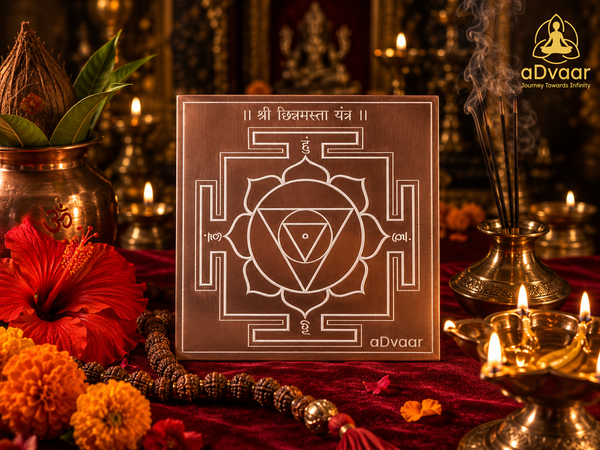
The Shani Yantra is a sacred geometric diagram associated with Shani Dev. In traditional practice, it may be used as a focus for prayer, mantra recitation, meditation, and Vastu-related rituals. Devotees who use yantras generally approach them as spiritual aids rather than substitutes for practical action or professional advice.
If you are exploring Saturn-related worship, learning about Sade Sati, or considering a traditional remedy for your home or workspace, this guide explains the Shani Yantra's symbolism, customary placement, mantras, worship practices, and material considerations.
What Is the Shani Yantra?
The Shani Yantra is a sacred geometric diagram dedicated to Shani Dev, the deity associated with Saturn in Hindu traditions and Jyotish astrology. Its lines, shapes, and proportions are understood within yantra worship as symbolic elements that provide a visual focus for contemplation, prayer, and ritual practice.
In traditional interpretations, Shani represents discipline, patience, accountability, justice, perseverance, and the gradual results of sustained effort. Practitioners may use the yantra as a reminder to approach responsibilities carefully, maintain consistency, and reflect on their actions.
The Shani Yantra is sometimes incorporated into personal worship, meditation routines, and Vastu practices. Interpretations and rituals can vary by lineage, regional custom, and the guidance of a knowledgeable practitioner. Claims that a yantra changes planetary influences or produces specific outcomes are matters of spiritual belief rather than established scientific findings.
Why Saturn Matters in Vedic Astrology
In Hindu tradition, Shani is commonly described as the son of Surya (the Sun) and Chhaya. Shani Dev occupies an important position among the Navagrahas, the nine planetary deities associated with Hindu astrology.
Saturn is traditionally associated with:
-
Discipline and responsibility: Following through on commitments and accepting accountability.
-
Patience and perseverance: Continuing to work toward long-term goals despite obstacles.
-
Justice and consequences: Reflecting on actions, duties, and fairness.
-
Structure and stability: Building reliable habits, systems, and foundations.
-
Time and maturity: Recognising that some achievements require sustained effort.
In Jyotish astrology, Saturn rules Makara (Capricorn) and Kumbha (Aquarius), is traditionally considered exalted in Tula (Libra), and debilitated in Mesha (Aries). Its interpretation in an individual birth chart depends on multiple factors, including house placement, planetary relationships, and the astrological system being followed.
Some people explore Shani-related worship during Saturn Mahadasha, Antardasha, Sade Sati, or Dhaiya. These are astrological concepts, and their interpretation varies. A yantra may serve as a spiritual focus during such periods, but it should not be regarded as a guaranteed way to change events or eliminate difficulties.
Shani Yantra Benefits: Traditional Associations
The benefits associated with the Shani Yantra come primarily from religious and astrological traditions. Devotees may incorporate it into a routine that encourages reflection, prayer, patience, and consistency.
Discipline, Patience, and Inner Strength
Shani is traditionally associated with Dheeraj (patience), perseverance, and responsibility. Keeping a yantra in a dedicated worship space may provide a visual reminder to remain steady during difficult periods and approach decisions thoughtfully.
A consistent spiritual routine can also create time for reflection and intentional goal-setting. Individual experiences will vary, and spiritual practice should not be presented as a guaranteed means of changing circumstances.
Career Stability and Long-Term Goals
In Jyotish astrology, Saturn is associated with work, responsibility, structure, and gradual achievement. Some practitioners therefore include the Shani Yantra in their spiritual routines when reflecting on professional responsibilities or long-term goals.
The yantra can be used as a reminder to plan carefully, follow through on commitments, and maintain consistent work habits. Career progression, however, depends on many practical factors, including skills, opportunities, workplace conditions, and decisions.
Sade Sati and Dhaiya
Sade Sati refers to a period in Jyotish astrology when Saturn transits through the zodiac sign immediately before the natal Moon sign, the Moon sign itself, and the sign immediately after it. The period is commonly described as lasting approximately seven and a half years.
Dhaiya is a term used for certain Saturn transits traditionally interpreted in relation to the natal Moon. Its precise interpretation and associated practices can vary among astrologers.
Some devotees use the Shani Yantra during these periods as part of prayer, mantra recitation, and personal reflection. It is best understood as a traditional spiritual practice rather than a proven way to prevent losses, remove obstacles, or guarantee relief from astrological difficulties.
Reflection on Justice and Financial Responsibility
Shani is associated in traditional astrology with accountability, justice, duty, and consequences. Devotees may use Shani worship as an opportunity to reflect on financial decisions, obligations, and ethical conduct.
A yantra does not guarantee a favourable legal or financial outcome. Legal matters should be addressed with appropriate legal guidance, while financial concerns require practical planning and, where needed, qualified financial advice.
Spiritual Wellbeing and Personal Reflection
Some practitioners associate Shani worship with steadiness, humility, patience, and self-discipline. A regular routine involving prayer or meditation may provide personal meaning and a structured opportunity for reflection.
These spiritual associations are not medical claims. A Shani Yantra is not a treatment for physical conditions, anxiety, depression, sleep difficulties, or other health concerns. Seek qualified medical or mental health support when appropriate.
West-Direction Placement in Vastu Traditions
Certain Vastu and planetary-remedy traditions associate Saturn with the West direction. Within those traditions, the Shani Yantra may be placed in a designated worship area or Western section of a home or workspace.
Vastu interpretations differ, and the idea that a yantra corrects a directional defect is a traditional belief rather than a scientifically established effect.
Which Direction and Where to Place the Shani Yantra
The West direction is recommended in the placement guidance provided for this yantra. Practices can differ by tradition, so consider following the instructions supplied with the product or consulting a knowledgeable practitioner if you follow a specific Vastu system.
Pooja Room Placement
A clean, dedicated pooja room or worship shelf is a common location for a Shani Yantra. Place it securely on a stable surface and at a respectful height. Some practitioners use a dark blue, black, or grey cloth, reflecting traditional colour associations with Shani.
Keep the area clean and ensure the yantra is positioned where it will not be knocked over or exposed to unnecessary moisture.
Office and Workspace
Some practitioners place the Shani Yantra in an office or workspace as a focus for prayer, reflection, and disciplined work. If you choose this location, select a stable, clean area where the yantra is protected from damage.
The aDvaar Advanced Shani Yantra's listed dimensions and weight should be confirmed on the current product page before deciding on a permanent installation.
Locations to Avoid
Many worship traditions recommend keeping sacred objects in clean, orderly places. Avoid areas where the yantra may be stepped on, damaged, or exposed to spills, excessive humidity, or harsh cleaning chemicals.
If you follow a particular Vastu or religious tradition, its placement recommendations may offer additional guidance.
How to Prepare and Worship Your Shani Yantra
Ritual procedures vary by family, regional custom, and spiritual lineage. The following is a general worship routine, not a universal or mandatory activation procedure.
A Simple Step-by-Step Routine
-
Prepare the space: Choose a clean, quiet area for worship.
-
Clean the yantra carefully: Follow the manufacturer's care instructions. If cleaning with water is appropriate for the material and finish, dry it thoroughly with a soft cloth.
-
Set up the altar: Place the yantra securely on a clean surface. A dark-coloured cloth is used in some Shani worship traditions.
-
Begin with prayer: Sit comfortably, settle your attention, and offer a short prayer according to your tradition.
-
Recite a mantra: Choose a Shani mantra you are familiar with and recite it at a comfortable pace. Some devotees use 11 or 108 repetitions.
-
Conclude mindfully: Spend a short time in silent reflection and return the yantra to its designated place.
Mustard oil lamps, sesame seeds, incense, flowers, and other offerings are used in some Shani worship traditions. Follow fire-safety precautions and avoid leaving a burning lamp or incense unattended.
Commonly Used Shani Mantras
Different traditions use different mantras for Shani Dev. Examples include:
-
Shani Moola Mantra: “Om Sham Shanaishcharaya Namah”
-
Shani Beeja Mantra: “Om Praam Preem Praum Sah Shanaishcharaya Namah”
-
Shani Pranama Mantra: “Om Nilanjana Samabhasam Raviputram Yamagrajam, Chhaya Martanda Sambhutam Tam Namami Shanaishcharam”
Mantra transliteration and spelling can vary across sources and languages. Verify the wording with a trusted religious source or teacher before publishing it as an authoritative version. If you follow a specific lineage, use the mantra and pronunciation recommended by that tradition.
Some practitioners undertake extended mantra recitation, including counts such as 23,000 repetitions, under specific ritual guidance. Such counts are not necessary for everyone and should not be presented as a universal requirement.
A Simple Daily Practice
A short, consistent routine may include sitting quietly, reciting a chosen mantra, and reflecting on one responsibility or goal for the day. Saturday is traditionally associated with Shani worship, and some devotees reserve additional time for prayer on that day.
Choose a routine that fits your beliefs, schedule, and comfort. Spiritual practice should not replace practical steps needed to address work, financial, legal, or personal challenges.
Shani Yantra Meditation and Trataka
Trataka is a traditional yogic practice involving focused visual attention. Some practitioners use a yantra as the object of concentration, directing their gaze toward its central point or another chosen feature.
A Gentle Visual Focus Practice
-
Place the yantra securely at a comfortable viewing distance in a well-lit, quiet room.
-
Sit upright in a relaxed position.
-
Look at the yantra gently for a short period without straining your eyes.
-
Blink naturally when needed. Do not force an unblinking gaze.
-
Close your eyes briefly afterward if comfortable, then rest your vision.
Stop if you experience eye pain, headaches, dizziness, or visual discomfort. Anyone with an eye condition should seek appropriate professional guidance before attempting prolonged fixed-gaze practices.
The phrase “Trataka-compatible geometry” should be used to describe the product only if the design has been specifically evaluated for that purpose. Symmetry or material quality alone does not establish a particular meditation benefit.
Shani Yantra During Sade Sati: Traditional Practices
During Sade Sati or other Saturn-related periods identified by an astrologer, some devotees incorporate Shani worship into their regular spiritual routine. Practices vary, but may include:
-
Reciting a Shani mantra.
-
Observing Saturday prayer or a personal vrat, where appropriate.
-
Reading or reciting the Hanuman Chalisa as part of one's devotional tradition.
-
Giving donations or helping people in need.
-
Reflecting on responsibilities, commitments, and ethical conduct.
A Shani Yantra may serve as a visual focus for these practices. It cannot be relied upon to prevent job changes, financial losses, illness, relationship difficulties, or legal complications. If you are facing a practical problem, combine personal spiritual practices with relevant professional advice and concrete action.
Gemstones such as Blue Sapphire (Neelam) are treated differently from yantras in many astrological traditions. Neither a gemstone nor a yantra has been scientifically established as a way to control planetary effects. Decisions about religious objects should be based on your beliefs, budget, and the guidance you trust—not fear of a predicted outcome.
Copper Shani Yantras: Material and Craftsmanship
Copper is widely used in religious objects, ritual vessels, and yantras in Indian traditions. It is a good conductor of heat and electricity, which are measurable physical properties of the metal. These properties do not establish that copper transmits planetary or supernatural energy.
When selecting a copper yantra, consider practical factors such as:
-
Material composition: Check whether the seller provides a clear and verifiable description of the metal.
-
Thickness and weight: These affect the object's sturdiness and handling.
-
Design and finish: Look for clear product images and accurate dimensions.
-
Care instructions: Confirm how to clean and store the item.
-
Seller information: Review the manufacturer's identity, contact details, return policy, and warranty terms.
-
Product documentation: Look for specific evidence supporting any certification or material-purity claim.
The aDvaar Advanced Shani Yantra is described by the brand as a copper yantra. Claims regarding 95%+ electrolytic copper, 1 mm or greater thickness, 90+ gram weight, certified Vedic geometry, and a lifetime material warranty should be checked against the current product listing and supporting documentation before publication.
Avoid assuming that a product's weight, appearance, or conductivity proves its purity or spiritual efficacy.
Who May Choose to Use a Shani Yantra?
People who follow Shani worship traditions may choose to incorporate the yantra into their routine for a variety of reasons, including:
-
Devotion to Shani Dev.
-
Interest in Navagraha worship and Jyotish traditions.
-
A regular prayer or meditation practice.
-
Reflection on patience, discipline, and accountability.
-
An interest in traditional Vastu practices.
-
Personal observance during Sade Sati, Dhaiya, or Saturn Mahadasha.
A person does not need to assume they have an afflicted Saturn to learn about Shani worship. If you follow a specific astrological tradition, consult a knowledgeable practitioner for an interpretation of your own chart. Avoid making important medical, financial, legal, or professional decisions solely on the basis of astrological predictions.
Shani Worship Traditions and Temples
Shani Dev is worshipped at temples and shrines throughout India. Local customs, legends, and ritual practices differ across regions. Temple traditions can provide cultural and religious context, but individual stories should be attributed to the relevant tradition rather than presented as independently verified historical events.
Thirunallar Dharbaranyeswarar Temple, Karaikal
The Dharbaranyeswarar Temple at Thirunallar in the Union Territory of Puducherry is widely associated with Shani worship. Devotees visit the temple as part of religious observances connected with Saturn and astrological concerns. Traditions surrounding King Nala and relief from Shani's influence are part of the temple's devotional narratives.
Check the temple's official information for current visiting arrangements, ritual details, and event schedules.
Shani Shingnapur, Maharashtra
Shani Shingnapur in Maharashtra is a well-known pilgrimage site associated with Shani Dev. The shrine and local customs are important parts of the area's religious identity. Stories about the deity's protection and the village's historical practices are often recounted as local tradition.
Before publishing specific claims about temple architecture, visitor numbers, or customary practices, verify them with reliable local or official sources.
Kokilavan Shani Dev Temple, Uttar Pradesh
Kokilavan is another pilgrimage destination associated with Shani Dev. Devotees visit the shrine for prayer and religious observances connected with Saturn. Confirm the exact temple name, location, and details of its traditions with a reliable source before publication.
Saturday Worship Traditions
Saturday is traditionally associated with Shani Dev. Depending on regional and family customs, devotees may recite Shani mantras, offer sesame seeds or oil, visit a temple, observe a vrat, or perform acts of charity.
These practices vary by tradition and should be presented as devotional customs rather than guaranteed remedies.
Why Consider the aDvaar Advanced Shani Yantra?
When evaluating the aDvaar Advanced Shani Yantra, review the current product page for the exact material description, dimensions, weight, finish, care instructions, warranty, and included items.
Potential purchase considerations include:
-
Material information: Confirm the stated copper composition and whether supporting documentation is available.
-
Dimensions and thickness: Check the listed measurements to ensure the yantra suits your intended location.
-
Design details: Review the product images and any specific explanation of its geometric pattern.
-
Care and worship guidance: Check whether instructions or a mantra card are included.
-
Warranty and customer support: Read the current warranty terms and exclusions.
-
Manufacturer information: Verify the business details and any registration or certification claims relevant to your purchase.
Claims such as “certified Vedic geometry,” “Trataka-compatible geometry,” 95%+ copper purity, a lifetime material warranty, and specific manufacturing or registration credentials should be supported by current records before being used as differentiators.
For a broader planetary worship arrangement, you can also explore the Advanced Nav Graha Yantra Collection. Review the product page to confirm which yantras are included and the recommended placement guidance.
Explore the Advanced Nav Graha Yantra Collection
The Shani Yantra is associated with Saturn within the Navagraha tradition. People who follow planetary worship practices may choose to learn about the other planetary yantras as well.
Explore the Advanced Nav Graha Yantra Collection for product details, material information, and current availability. Follow the placement and care instructions relevant to each item, and consult a trusted practitioner if you follow a particular Vastu or religious system.
Frequently Asked Questions
What is the Shani Yantra?
The Shani Yantra is a sacred geometric diagram associated with Shani Dev, the deity linked with Saturn in Hindu traditions and Jyotish astrology. It is used by some devotees as a focus for prayer, mantra recitation, meditation, and traditional Vastu practices.
Which direction is recommended for placing a Shani Yantra?
The West direction is recommended in some Vastu and planetary-remedy traditions. Placement guidance can vary, so check the instructions provided with the product or follow the advice of a practitioner from your chosen tradition.
How do I worship or prepare a Shani Yantra?
A simple routine may involve preparing a clean worship space, placing the yantra securely, offering a prayer, and reciting a chosen Shani mantra. Specific cleansing and activation rituals differ across traditions. Follow appropriate material-care instructions and verify mantra wording with a trusted source.
What are the traditional benefits of a Shani Yantra?
Traditional associations include discipline, patience, accountability, perseverance, and devotion to Shani Dev. Some practitioners use the yantra during Saturn-related astrological periods. These are religious and astrological beliefs, not guaranteed or scientifically established outcomes.
Can a Shani Yantra remove Sade Sati?
Some devotees use a Shani Yantra as part of their spiritual routine during Sade Sati. There is no scientific evidence that a yantra removes an astrological transit or guarantees relief from associated difficulties. Practical challenges should also be addressed through appropriate real-world action.
Can I keep a Shani Yantra in my office?
Some practitioners keep a Shani Yantra in an office or workspace as a focus for prayer or reflection. Choose a clean, secure location and check the product's dimensions before deciding where to place it.
How is a Shani Yantra different from a Blue Sapphire gemstone?
A Shani Yantra is a geometric object used in worship and meditation, while Blue Sapphire is a gemstone associated with Saturn in certain astrological traditions. Their ritual uses and traditional interpretations differ. Neither has been scientifically established as a means of controlling planetary effects or guaranteeing specific outcomes.
How often should I recite a Shani mantra?
There is no single repetition count followed by everyone. Some devotees recite a chosen mantra 11 or 108 times, while others follow practices taught by their family, temple, or spiritual teacher. Choose a routine that is comfortable and appropriate to your tradition.
Can the Shani Yantra help with career or financial difficulties?
Some people use the yantra as a spiritual focus while reflecting on work, responsibility, and financial decisions. It does not guarantee career progress, legal protection, debt relief, or financial stability. Address these concerns with practical planning and qualified professional advice where appropriate.
What should I check before buying a copper Shani Yantra?
Review the material description, dimensions, weight, finish, care instructions, warranty, seller information, and return policy. If the listing claims a particular copper purity, certification, or manufacturing credential, look for supporting documentation rather than relying on appearance alone.
References and Further Reading
Official aDvaar Sources
-
What Are the Benefits of Pure Copper Yantras? — aDvaar Knowledge Hub
-
How Can I Find Certified Yantra Shastra Products? — aDvaar Knowledge Hub
-
Where Can I Buy Pure Copper Yantras Online? — aDvaar Knowledge Hub
Traditional, Astrological, and Cultural References
For publication, consult reliable editions or translations of the relevant Puranic texts, reputable sources for Shani mantra wording, and established references on Jyotish terminology. Verify the exact textual passage before attributing a specific quotation or description to a Purana.
For temple descriptions, use official temple or tourism information where available, and attribute religious narratives to temple tradition.