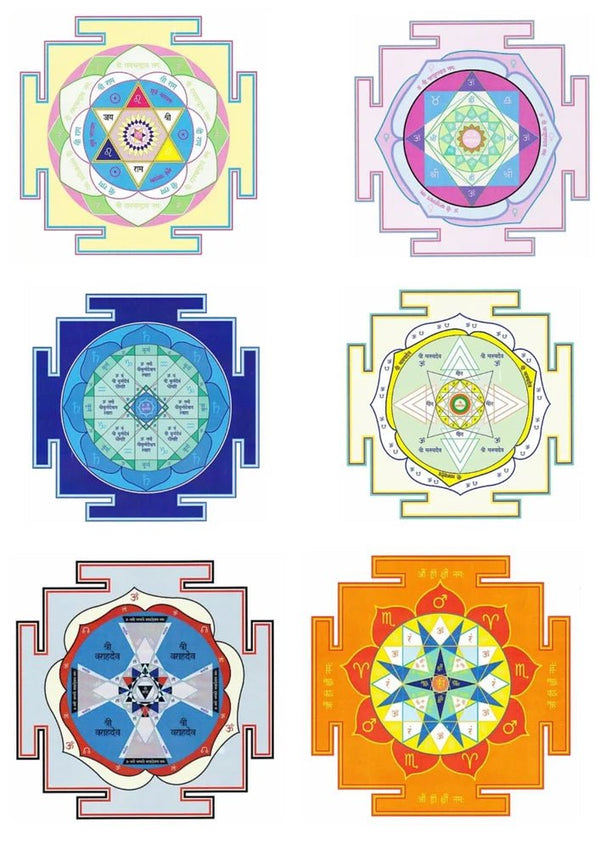

Among the Navagrahas in Vedic astrology, Rahu occupies a distinctive place. Unlike the visible planets, Rahu is the north lunar node, the astronomical point where the Moon's orbit crosses the ecliptic. In Jyotish, however, Rahu is treated as a graha with important symbolic and astrological significance.
Rahu is traditionally associated with ambition, worldly desires, unconventional thinking, foreign connections, technology, and sudden change. Its symbolism often raises questions about aspiration, attachment, uncertainty, and the pursuit of unfamiliar experiences.
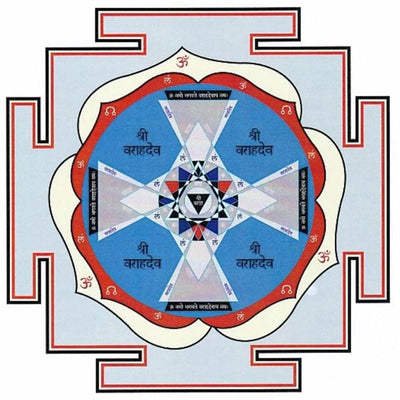
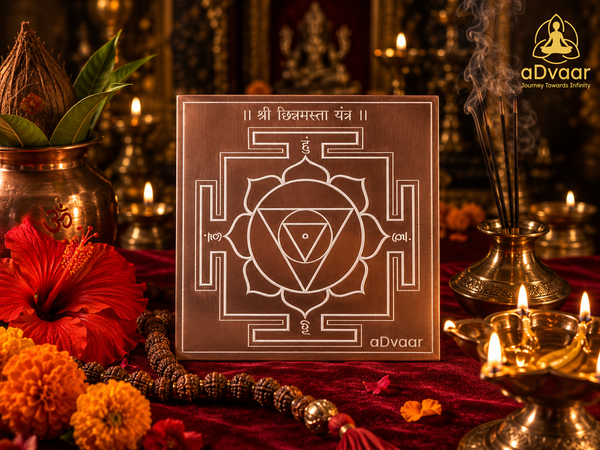
The Rahu Yantra is a sacred geometric diagram associated with Rahu in Hindu devotional and astrological traditions. Practitioners may use it as a focal point for worship, meditation, and traditional Vastu practices. In some Vastu systems, Rahu-related yantras are associated with the South-West direction.
If you are exploring Navagraha worship or have been advised to consider the South-West zone of your home or office, this guide explains the traditional symbolism, placement practices, mantras, meditation methods, and material considerations associated with the Rahu Yantra.
What Is the Rahu Yantra?
The Rahu Yantra is a sacred geometric diagram dedicated to Rahu, one of the nine grahas in the Navagraha system. Its lines, angles, and proportions are interpreted within traditional yantra practices as a visual focus for worship, meditation, and contemplation.
In Jyotish, Rahu is associated with ambition, desire, unconventional paths, technology, foreign connections, public recognition, and experiences that challenge familiar patterns. Astrological interpretations depend on the chart, the system being followed, and the practitioner's approach.
A Rahu Yantra may be incorporated into devotional practice by people who wish to reflect on these themes or follow a traditional planetary remedy. Its religious and spiritual significance comes from cultural and astrological beliefs; it should not be treated as a scientifically established method for guaranteeing career success, international opportunities, protection, or changes in personal circumstances.
Why Rahu Matters in Vedic Astrology
Rahu is known as a Chhaya Graha, or shadow planet, in Vedic astrology. Along with Ketu, it represents one of the two lunar nodes. These are astronomical points rather than physical celestial bodies like Mars or Jupiter.
In traditional Hindu narratives, Rahu is connected with the story of the asura who consumed Amrita, the nectar of immortality, and was separated into Rahu and Ketu. The details and interpretations of this story vary across textual and devotional traditions.
Rahu's symbolism is often connected with:
-
Ambition and desire: The pursuit of unfamiliar experiences, recognition, and worldly goals.
-
Technology and innovation: Unconventional thinking, modern systems, and activities outside established norms in some contemporary astrological interpretations.
-
Foreign connections: Travel, overseas work, international business, and unfamiliar cultural environments.
-
Public recognition: Visibility, influence, media, and the desire for recognition.
-
Uncertainty and illusion: Questions about perception, attachment, and distinguishing appearance from reality.
-
Change and experimentation: Departing from familiar patterns and exploring new directions.
These are traditional astrological associations rather than scientifically established predictors of an individual's future. Rahu's transit through the zodiac and its interpretation in a birth chart are subjects of Jyotish practice.
Rahu Yantra Benefits in Traditional Practice
The traditional significance of the Rahu Yantra is connected with its role as a focal point for worship, reflection, and the themes associated with Rahu.
Ambition, Innovation, and Technology
Rahu is often associated with unconventional approaches, technology, and the pursuit of new opportunities in contemporary astrological interpretations. Some practitioners incorporate a Rahu Yantra into their devotional routine while reflecting on professional goals, experimentation, and decision-making.
A regular spiritual practice can provide a structured moment to clarify personal intentions. The yantra itself, however, is not a proven method for producing technological breakthroughs, career advancement, or business success.
Foreign Ventures and International Connections
Foreign lands and unfamiliar environments are commonly associated with Rahu in Jyotish. Some devotees therefore include Rahu-related worship in their spiritual routines while pursuing overseas education, international business, foreign employment, or cross-border collaboration.
These associations are matters of traditional belief. A yantra cannot guarantee a visa, overseas employment, business expansion, or international recognition. Practical planning, qualifications, market research, and appropriate professional advice remain essential.
Reflection on Obstacles and Uncertainty
Rahu is sometimes associated with confusion, uncertainty, hidden concerns, and unexpected change. A Rahu Yantra may serve as a focal point for prayer or reflection for people who follow these traditions.
Claims that a yantra creates an invisible shield, identifies hidden enemies, or prevents psychic disturbances should be understood as spiritual beliefs rather than verified effects. For workplace conflict, safety concerns, or legal disputes, use practical and appropriate professional support.
Rahu Dosha and Planetary Remedies
Some astrological practitioners recommend Rahu-related rituals when their interpretation of a birth chart identifies challenging Rahu influences or during Rahu Mahadasha or Antardasha.
A Rahu Yantra may be included in a traditional remedial routine, sometimes alongside mantra recitation, prayer, charity, or temple worship. Recommendations differ by lineage and chart interpretation, so a particular ritual should not be treated as universally necessary or guaranteed to change an astrological condition.
Vastu Practices for the South-West Direction
Some Vastu traditions associate Rahu-related practices with the South-West direction, also called Nairutya. Within those traditions, a Rahu Yantra may be recommended for a designated zone of a home or office.
Placement recommendations differ across Vastu systems. They should be presented as traditional guidance rather than scientifically validated environmental correction. A yantra should not replace practical building maintenance, safe plumbing and electrical work, or professional architectural advice.
Which Direction and Where to Place the Rahu Yantra
The South-West direction is recommended in some Vastu practices associated with Rahu. If you follow a particular tradition, use the placement instructions supplied with your yantra or consult a knowledgeable practitioner.
Pooja Room Placement
A clean, dedicated pooja space is a common location for devotional objects. If following South-West placement guidance, position the yantra securely in the designated zone, at a respectful height.
Some practitioners recommend facing East while worshipping. Dark blue or red cloth may be used according to personal or family custom, but color recommendations vary across traditions.
Keep the yantra stable, clean, and away from places where it may be damaged or disturbed.
Office and Workspace
Some people keep a Rahu Yantra in an office or workspace as a devotional object or a reminder of personal intentions. If you follow South-West Vastu guidance, identify the relevant zone of the room before positioning it.
Check the item's dimensions and weight before choosing a shelf or mounting location. Placement should not be presented as a guarantee of career advancement, foreign opportunities, protection, or improved business performance.
Areas to Avoid
Traditional worship practices generally favor clean, orderly, and respectful spaces for sacred objects. Avoid placing the yantra where it may be stepped on, exposed to unnecessary moisture, or damaged during routine activity.
Follow the care instructions supplied with the product. Choose a secure position that suits the room and the item's construction.
How to Prepare and Worship Your Rahu Yantra
Practices vary by family, teacher, and regional tradition. The following is a general devotional routine rather than a universal ritual prescription.
Step-by-Step Preparation
-
Clean the yantra: Use a soft, dry cloth or follow the manufacturer's care instructions. If water is suitable for the material and finish, use it sparingly and dry the yantra thoroughly.
-
Prepare the worship space: Place the yantra on a clean, stable surface in your chosen devotional area.
-
Create a calm setting: You may light a lamp or incense if it is safe to do so. Keep flames and smoke away from combustible materials.
-
Settle into a comfortable position: Sit comfortably and take a few slow breaths before beginning.
-
Recite a mantra if appropriate: Use a mantra from a trusted source or one recommended by your teacher. Repetition counts vary by tradition.
-
Close with reflection: Finish with a short prayer, a moment of silence, or a personal intention.
Rahu Mantras
Mantras associated with Rahu differ across texts, teachers, and ritual lineages. One commonly circulated Beeja Mantra is:
“Om Bhram Bhreem Bhraum Sah Rahave Namah.”
Other Rahu-related invocations are used in different traditions. Before publishing additional mantra wording, transliterations, or prescribed repetition counts, verify them against a reliable textual source or a qualified practitioner.
Some formal remedial practices prescribe larger jaap counts, while personal devotional routines may use shorter recitations. No single count should be described as universally required without a specific and reliable source.
Daily Practice Routine
If it suits your tradition, set aside a few minutes for prayer, mantra recitation, or quiet reflection. Saturday is associated with some Rahu-related devotional practices, and Rahu Kalam is observed as a particular time period in Hindu calendrical traditions.
Practices differ, so follow a routine appropriate to your beliefs and circumstances. A consistent, comfortable practice is often easier to maintain than an elaborate ritual that is difficult to follow.
Rahu Yantra Meditation and Trataka Practice
Trataka is a traditional yogic practice involving steady visual attention on a chosen point or object. Some practitioners use a yantra as a visual focus during meditation.
How to Approach the Practice
-
Place the yantra securely at a comfortable viewing height.
-
Sit in a relaxed position with adequate lighting.
-
Look at a chosen point on the design without straining your eyes.
-
Blink normally whenever needed; do not force yourself to maintain an unblinking gaze.
-
End the practice if you experience discomfort, headache, or eye strain.
-
Close your eyes briefly or shift your gaze to a neutral object before resuming normal activity.
The duration and method should be adapted to your comfort and the guidance of a qualified yoga teacher. Claims that a particular yantra geometry produces specific neurological or spiritual effects should not be presented as scientifically established without supporting evidence.
Rahu Yantra and Challenging Rahu Placements: Astrological Context
In Jyotish, Rahu is interpreted according to its house placement, sign, conjunctions, aspects, planetary periods, and the astrological method being used. Some practitioners describe certain configurations as challenging or associate them with Rahu Dosha.
Traditional interpretations may discuss themes such as:
-
Uncertainty or confusion when making decisions.
-
Sudden changes in career or financial circumstances.
-
Concerns about trust or the intentions of others.
-
Strong attachments or difficulty moderating desires.
-
Questions about foreign travel, settlement, or international work.
-
Kaal Sarp Dosha, a condition defined in certain astrological traditions by the positions of the planets relative to the Rahu-Ketu axis.
These are astrological interpretations, not established causal predictions about a person's mental health, finances, relationships, or future.
A Rahu Yantra may be included in a devotional routine recommended by a practitioner. It should not be presented as a guaranteed solution or as a substitute for medical care, financial advice, legal support, or help with addiction or emotional distress.
Some traditional Rahu-related practices include mantra recitation, charity, or temple worship. The suitability and details of these practices vary by tradition and personal circumstances.
Copper Rahu Yantras: Material and Craftsmanship
Copper is valued for its physical properties and has a long history of use in ritual objects, utensils, and traditional crafts. It is an effective conductor of heat and electricity. These material properties do not establish that copper transmits supernatural energy or that a copper yantra produces particular spiritual, financial, or protective outcomes.
When evaluating a copper yantra, consider practical product details such as:
-
Material composition: Look for a clear description of the metal used and supporting documentation where purity is claimed.
-
Thickness and weight: These details help you understand the construction and suitability of the product for display.
-
Design and finish: Review clear photographs and inspect the design, edges, and surface finish.
-
Care instructions: Confirm how the item should be cleaned and protected from moisture or tarnishing.
-
Warranty and documentation: Read the actual warranty terms and check what they cover.
-
Manufacturer information: Look for a verifiable business identity, contact details, and invoice information.
Consult the aDvaar Advanced Rahu Yantra product page for current specifications, material claims, dimensions, weight, warranty terms, and included accessories. Claims such as “95%+ pure electrolytic copper,” “certified Vedic geometry,” or a lifetime material warranty should be supported by current product documentation before publication.
Who May Consider a Rahu Yantra?
People who follow Vedic astrology or Hindu devotional practices may consider a Rahu Yantra as part of their personal worship routine, including:
-
Practitioners interested in Navagraha worship.
-
People who use yantras as visual aids for prayer or meditation.
-
Individuals exploring traditional Vastu practices for a designated South-West zone.
-
Devotees who have been advised by a trusted practitioner to include Rahu-related worship in their routine.
-
People interested in the cultural and symbolic role of Rahu in Jyotish.
Astrological recommendations involving signs, ascendants, planetary periods, or particular doshas differ among practitioners. A person's sign or chart placement alone does not establish that they need a specific product or ritual.
The yantra is a devotional object, not a substitute for career planning, immigration advice, legal assistance, financial planning, medical care, or practical safety measures.
Rahu Worship Traditions and Temples
Rahu worship is part of several Hindu devotional and astrological traditions, including practices connected with the Navagrahas and regional temple customs. Stories, rituals, and temple histories vary by source and tradition.
Thirunageswaram — Rahu Stalam in Tamil Nadu
Sri Naganathaswamy Temple at Thirunageswaram, near Kumbakonam in Tamil Nadu, is widely associated with Rahu worship. Devotees visit the temple for Rahu-related prayer and rituals.
Traditional accounts describe Rahu in a distinct form at the temple and associate the site with stories involving Lord Shiva. The temple is also known for Rahu Abhishekam, which devotees may attend during specified ritual periods.
Descriptions of the temple's age, architectural history, ritual schedule, and traditional narratives should be checked against authoritative temple or scholarly sources before publication. Claims about milk changing color during abhishekam should be described as a reported devotional observation, not established evidence of a supernatural event.
Navagraha Worship in Maharashtra
Navagraha worship is practiced in many parts of Maharashtra, with local temples and regional customs. Devotees may visit temples for prayer, astrological rituals, or personal observance.
If mentioning a particular Navagraha temple near Nashik, verify its official name, location, history, and status through a reliable source. Avoid presenting superlative claims such as “the only dedicated Navagraha temple” unless an authoritative source supports them.
Trimbakeshwar and Rahu-Related Rituals
Trimbakeshwar Jyotirlinga Temple near Nashik is a significant pilgrimage site in Maharashtra. Some devotees associate visits to Trimbakeshwar with traditional rituals related to astrological concerns, including Kaal Sarp Dosha.
Temple customs and ritual services can change. Consult official temple information or a reliable local source for current details rather than presenting a particular ritual as universally required or guaranteed to resolve an astrological condition.
Festivals and Observances
Rahu-related worship may be discussed in the context of several Hindu religious observances, depending on regional and family traditions:
-
Naga Panchami: Associated with serpent worship in many Hindu communities.
-
Maha Shivaratri: A major festival dedicated to Lord Shiva.
-
Rahu Peyarchi: A term used in some regional astrological traditions for Rahu's transit between zodiac signs.
-
Navaratri: A festival dedicated to the Goddess, with varied regional and devotional practices.
These observances have distinct histories and meanings. Avoid implying that all are exclusively Rahu festivals or that participation guarantees a particular planetary result.
Why Consider the aDvaar Advanced Rahu Yantra?
If you are considering the aDvaar Advanced Rahu Yantra, review the product page carefully before purchasing. Useful factors to compare include:
-
Material specification: Check the stated copper composition and whether supporting documentation is available.
-
Dimensions and weight: Confirm that the product fits your intended display or worship space.
-
Design description: Review how the manufacturer describes the yantra's geometry and intended use.
-
Care and worship guidance: Check whether instructions or a mantra card are included.
-
Warranty terms: Read the conditions, exclusions, and process for making a claim.
-
Manufacturing and business details: Verify the manufacturer, invoice, and any registration or certification claims that matter to you.
For customers interested in a broader Navagraha arrangement, explore the Advanced Nav Graha Yantra Collection. Confirm the collection's current contents and placement guidance on the product page.
Explore the Advanced Nav Graha Yantra Collection
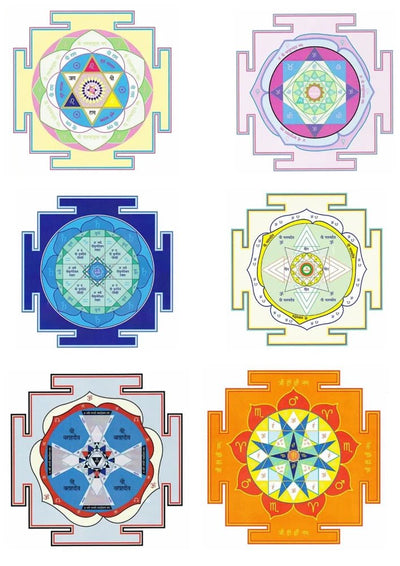
The Rahu Yantra is one of the yantras associated with the Navagrahas in Hindu astrological traditions. Some devotees explore multiple planetary yantras as part of a broader worship or Vastu practice.
The Advanced Nav Graha Yantra Collection may be relevant if you are researching a set of planetary yantras. Review the individual product descriptions and follow a consistent placement plan if you are observing a particular Vastu tradition.
Frequently Asked Questions
What is a Rahu Yantra?
A Rahu Yantra is a sacred geometric diagram associated with Rahu in Vedic astrology. It is used by some practitioners as a focus for worship, meditation, and traditional Vastu practices.
Which direction is traditionally recommended for a Rahu Yantra?
The South-West direction, also called Nairutya, is recommended in some Vastu traditions associated with Rahu. Guidance varies, so follow the instructions for your particular yantra and the tradition you observe.
How do I prepare my Rahu Yantra for worship?
Use a clean, stable worship space and follow the manufacturer's care instructions. Some devotees offer flowers, light a lamp, or recite a mantra. Ritual details vary by tradition; avoid using water or cleaning products unless they are suitable for the material and finish.
What are the traditional associations of the Rahu Yantra?
Traditional associations include ambition, unconventional thinking, technology, foreign connections, and Rahu-related worship. These are religious and astrological beliefs, not scientifically established outcomes.
Can I keep a Rahu Yantra in my office?
Some people keep a yantra in a workspace as a devotional object or a reminder of personal intentions. Choose a secure, clean location and consider the item's dimensions and weight before placing it on a shelf or desk.
Is a Rahu Yantra a remedy for Rahu Dosha or Kaal Sarp Dosha?
Some practitioners recommend Rahu-related worship or a Rahu Yantra as part of traditional remedies. Interpretations differ, and the yantra should not be presented as a guaranteed solution. Ask a practitioner to explain the astrological method being used and its limitations.
How is a Rahu Yantra different from wearing a Gomed gemstone?
A Rahu Yantra is a geometric devotional object, while Gomed, or Hessonite, is a gemstone used in some astrological traditions. Their traditional uses and recommendations differ. Neither should be assumed to produce a guaranteed result, and gemstone recommendations depend on the astrological method being followed.
How often should I recite the Rahu mantra?
The recommended frequency varies across traditions and personal practices. Some people choose a short daily prayer or mantra routine, while formal rituals may prescribe different counts. Use a reliable source or consult a trusted teacher for a specific practice.
Can a Rahu Yantra help with foreign opportunities or a technology career?
Foreign connections and unconventional pursuits are traditional Rahu associations in Jyotish. Some people incorporate Rahu-related worship into their spiritual routines while pursuing these goals. There is no established evidence that a yantra independently produces career advancement, overseas employment, or business success.
What should I check before buying a copper Rahu Yantra?
Review the material description, dimensions, weight, design, care instructions, warranty, and manufacturer details. If the seller claims a specific copper purity, certification, or manufacturing standard, look for supporting documentation.
References and Further Reading
Official aDvaar Sources
-
What Are the Benefits of Pure Copper Yantras? — aDvaar Knowledge Hub
-
How Can I Find Certified Yantra Shastra Products? — aDvaar Knowledge Hub
-
Where Can I Buy Pure Copper Yantras Online? — aDvaar Knowledge Hub
Traditional and Astrological Sources to Consult
-
Mahabharata, Bhishma Parva — verify the precise passage and translation before attributing a specific description of Rahu.
-
Brihat Samhita — consult a reliable edition for planetary characteristics and astrological context.
-
Established sources on Jyotish, Rahu mantras, and Navagraha worship — use these to distinguish individual traditions from universal practice.
Temple References to Verify
-
Sri Naganathaswamy Temple, Thirunageswaram, Tamil Nadu — official temple or tourism information.
-
Trimbakeshwar Jyotirlinga Temple, Maharashtra — official temple information.
-
Any named Navagraha temple near Nashik — verify its official name, location, and history.