
A packed itinerary, back-to-back calls, a workday that refuses to end at a sensible hour—sometimes, the mind simply needs a moment to pause. Many people turn to meditation, prayer, or other familiar rituals to create a little space in a busy day.
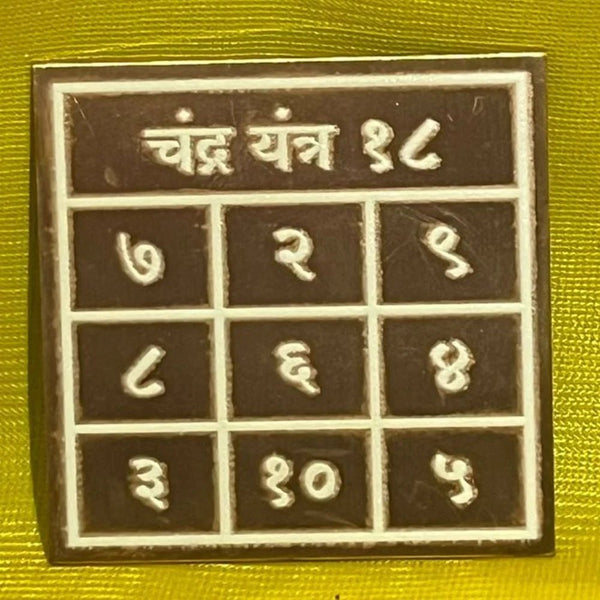
A small spiritual object can serve as a reminder to return to that practice. The Pocket Numerical Chandra (Moon) Yantra is designed for this purpose: a compact, 2-inch copper yantra that can be carried in a wallet or purse, placed on a desk, or used as a focal point during a short meditation routine.
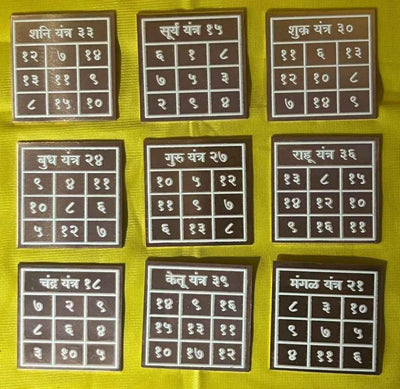
In Vedic astrology, Chandra—the Moon—is traditionally associated with the mind, emotions, intuition, and inner steadiness. The pocket yantra brings that symbolism into a portable format. Its traditional associations are matters of spiritual belief, not scientifically established guarantees of emotional or psychological outcomes.
What Is a Pocket Chandra (Moon) Yantra?
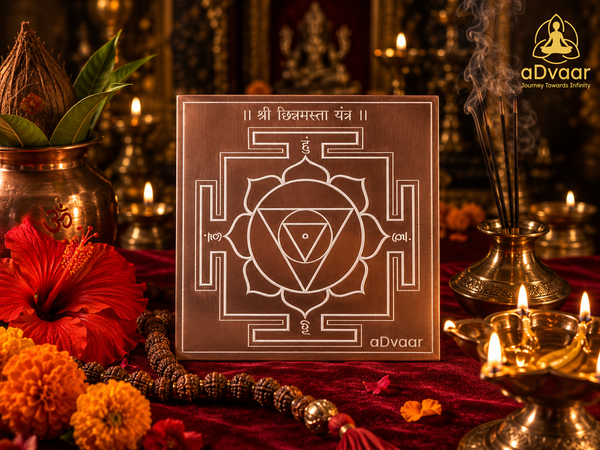
A yantra is a geometric diagram used in Hindu spiritual traditions for worship, meditation, and concentration. Yantras may contain lines, shapes, numbers, and a central point known as the bindu. Practitioners may use these visual structures as focal points during prayer or meditation.
The Chandra Yantra is associated with Chandra, the Moon, in Vedic astrology and related spiritual practices.
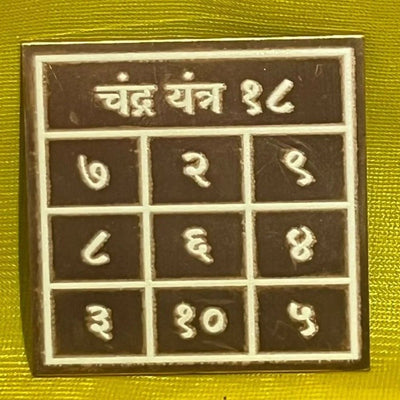
The Pocket Numerical Chandra (Moon) Yantra is a portable version featuring a numerical matrix design on a 2-inch copper plate. Its compact size makes it suitable for carrying in a wallet or purse, keeping on a desk, or placing on a small personal altar.
The mantra focus specified for this product is:
Om Chandraya Namah
The yantra can be incorporated into an existing spiritual routine or used as a simple visual focal point for a few quiet minutes each day.
Why Is Chandra Important in Vedic Thought?
In Vedic astrology, Chandra is traditionally associated with the mind, emotional responses, memory, intuition, and nurturing qualities. Astrological interpretations often describe a well-placed Moon as symbolising clarity and steadiness, while a challenged Moon may be associated with restlessness or fluctuating emotions.
These are traditional astrological interpretations, not scientific descriptions of mental health or personality.
Chandra also appears in Hindu stories and devotional traditions. One Puranic account describes Chandra's relationship with the 27 nakshatras and a curse associated with Daksha. In traditional explanations, Shiva's association with Soma—the Moon—is connected with the story of Somnath at Prabhas Patan in Gujarat.
Moon-related worship also appears at places such as Kailasanathar Temple in Thingalur, Tamil Nadu, which is associated with Chandra in the Navagraha temple tradition. Other regional traditions have their own stories, rituals, and interpretations.
These narratives provide cultural and devotional context for the Chandra Yantra. A portable yantra does not replace a temple visit or a traditional ritual; it simply allows someone to keep a related spiritual practice close at hand.
What Is a Pocket Chandra Yantra Used For?
aDvaar presents this pocket yantra as an object associated with emotional calm, intuitive clarity, and mental peace on the move. These descriptions reflect its traditional symbolism and intended use, rather than guaranteed or medically verified results.
One practical way to approach the yantra is as a reusable focal point for attention. You might set aside a few minutes to sit quietly, look at its design, repeat a mantra, and return your attention to the present moment.
For example, someone who travels frequently might keep the yantra in a wallet and use it as a reminder to pause before beginning the day. Someone working long hours might keep it on a desk as a visual cue to take a quiet break.
The value of the routine depends on the person's own practice, beliefs, and experience. A yantra should not be treated as a substitute for professional mental-health care when that care is needed.
The Numerical Matrix: Geometry, Mathematics, and Traditional Meaning
The numerical matrix is a defining feature of this pocket yantra. In mathematics, a magic square is a square grid of numbers in which the numbers in each row and column—and, in a normal magic square, both main diagonals—have the same sum.
Magic squares have a long history in different mathematical and cultural traditions. Numerical grids also appear in some astrological and spiritual practices, where numbers are associated with particular planetary or symbolic meanings.
It is important to distinguish the mathematical structure from its spiritual interpretation:
-
Mathematics: A numerical grid can be checked for its arrangement and sums.
-
Visual practice: A structured pattern can provide a consistent object on which to rest one's attention during meditation.
-
Traditional symbolism: Practitioners may interpret the numbers and design through their spiritual or astrological tradition.
-
Scientific limits: The mathematical properties of a grid do not establish that it changes a horoscope, transmits supernatural energy, or produces a particular emotional outcome.
aDvaar describes the pocket product as a 2-inch pure-copper plate with a numerical matrix design. Product-specific material and construction details should be confirmed against the current product listing.
Why Copper Is Used
Copper is a durable, workable metal and a well-established conductor of heat and electricity. It can also develop a natural patina as it ages.
Copper has a long history of use in ritual objects and devotional items. Within spiritual traditions, the choice of metal may carry additional symbolic meaning. Those traditional interpretations should be distinguished from copper's measurable physical properties.
The pocket product is described as pure copper. Specifications published for aDvaar's standard-size yantras should not automatically be assumed to apply to the pocket version unless the product listing explicitly confirms them.
Mantra, Preparation, and Traditional Activation
The mantra specified for the Pocket Numerical Chandra Yantra is:
|| Om Chandraya Namah ||
Different lineages and teachers use different Chandra mantras. For example, aDvaar's larger Advanced Chandra Yantra uses the mantra:
Om Shram Shreem Shraum Sah Chandraya Namah
Other lunar mantras also appear in devotional and astrological traditions. There is no single mantra practice that applies universally across all lineages. If you follow a particular teacher, priest, or family tradition, use the guidance appropriate to that practice.
A Simple Preparation Routine
According to the product guidance supplied for this yantra, a traditional preparation routine may include:
-
Gently rinse the plate with clean water, if appropriate for the product's care instructions.
-
Pat it dry with a soft cotton cloth.
-
Place it on a clean surface or altar, optionally using a red or yellow cloth as part of your personal ritual.
-
Light a lamp or incense if this is part of your usual practice and can be done safely.
-
Sit comfortably and repeat Om Chandraya Namah 108 times, using the yantra as a visual focal point if you find that helpful.
This is a devotional practice, not a scientifically established activation process. Ritual requirements and preferred materials can differ by tradition.
For daily practice, you may choose a shorter routine that is easy to maintain. Consistency and personal comfort are more important than treating a particular number of repetitions as a guaranteed way to obtain a result.
Where to Keep a Pocket Chandra Yantra
The pocket format is intended for people who want a portable spiritual object rather than a fixed installation.
In a Wallet or Purse
The product's stated use includes portable daily carry. Its compact size is suitable for a wallet or purse, provided it is stored securely and protected from bending, scratching, and moisture.
On a Desk or Personal Altar
At home or at work, you can place the yantra on a clean, stable surface. If you follow a tradition that specifies a direction or altar arrangement, follow that guidance. Placement recommendations may vary across schools of Vastu and astrology.
As a Meditation Focal Point
Some practitioners use a fixed-gaze practice known as Trataka, in which attention rests on a visual object. If you choose to use the yantra this way, sit comfortably and keep your gaze soft. Blink naturally, avoid straining, and stop if you experience discomfort, dryness, headache, or eye fatigue.
The purpose should be a comfortable, attentive pause—not forcing yourself to stare without blinking or attempting to achieve a particular physical sensation.
Care and Storage
Follow the current product care instructions. As general precautions for a copper plate:
-
Handle it with clean, dry hands where practical.
-
Use a soft cloth for gentle cleaning and drying.
-
Avoid harsh chemicals or abrasive cleaners unless the manufacturer explicitly recommends them.
-
Store it in a clean, dry place when not in use.
-
Expect that copper may change colour or develop a patina over time.
If the product includes a specific care guide or warranty, refer to those terms for product-specific instructions.
Pocket Chandra Yantra vs. a Larger Chandra Yantra
A pocket yantra and a larger home yantra serve different practical purposes. Neither size should be described as universally more spiritually powerful; that is a matter of belief and tradition rather than a measurable comparison.
Pocket Numerical Chandra Yantra
The Pocket Numerical Chandra (Moon) Yantra is intended for portable daily carry. It may suit travellers, students, professionals, or beginners who want a small object for a personal devotional or meditation routine.
Advanced Chandra (Moon) Yantra
The Advanced Chandra (Moon) Yantra is a larger, 6-inch product described by aDvaar as part of its Navagraha Vastu placement system. The product information associates Chandra with the North-West direction. Confirm the current listing for size, material, placement guidance, and price before purchasing.
Pocket and Advanced Nav Graha Collections
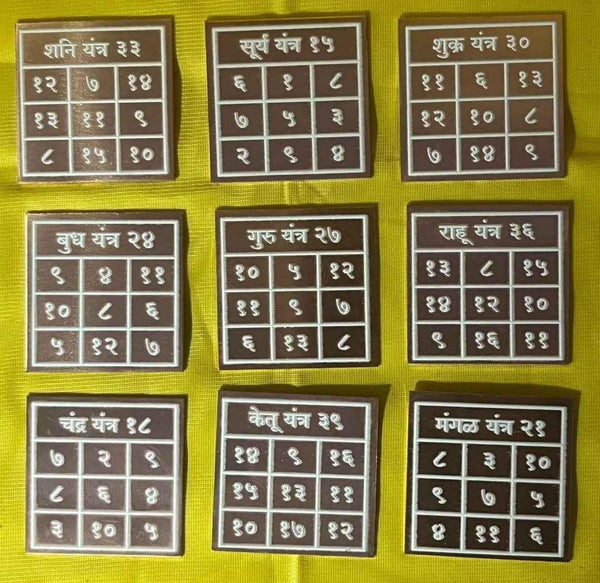
For people interested in a broader Navagraha practice, aDvaar also lists the Pocket Nav Graha Collection and the Advanced Nav Graha Yantra Collection.
The pocket collection is designed for portability, while the larger collection is intended for a more permanent display or placement. Check each live product page for the current contents, dimensions, and pricing.
Who Might Consider a Pocket Chandra Yantra?
The pocket format may be worth considering if you:
-
Travel frequently and want a portable reminder of your spiritual practice.
-
Prefer a small devotional object that fits on a desk or personal altar.
-
Feel drawn to the Moon's traditional symbolism of reflection, intuition, and the mind.
-
Want to explore yantra practice without starting with a larger installation.
-
Prefer to combine a visual focal point with a short mantra or meditation routine.
It may not be the right choice if you are looking for a fixed installation, a decorative centrepiece, or a guaranteed result. A yantra should not be purchased with the expectation that it will cure anxiety, treat a mental-health condition, alter a horoscope with certainty, or guarantee success in personal or professional matters.
What About Pearl (Moti) as a Lunar Remedy?
Pearl, known as Moti, is traditionally associated with Chandra in Jyotisha. Gemstone recommendations and yantra practices are different approaches within astrological traditions. The suitability of either depends on a person's beliefs, budget, and chosen guidance.
If you are considering a gemstone or other astrological remedy based on your birth chart, consult a qualified practitioner within the tradition you follow. Avoid treating a spiritual recommendation as a replacement for medical, psychological, financial, or other professional advice.
Buying Guide: What to Check Before You Buy
Before purchasing any yantra, review the product information carefully.
1. Material and dimensions
Check whether the listing specifies copper, the plate's exact dimensions, and any relevant thickness or weight. For this product, the supplied description identifies a 2-inch copper plate with a numerical matrix design. Verify the exact material specification on the current product page.
2. Design and product photographs
Review the numerical layout and images so you know what is included. If the seller describes a design as a particular magic square, ask whether the numerical arrangement has been checked against the stated mathematical definition.
3. Seller and warranty terms
Check the seller's identity, customer support details, return policy, and any material-quality warranty. Confirm the applicable terms in writing rather than relying on a general claim.
4. Price and reviews
Confirm the current selling price, maximum retail price, shipping charges, and customer-review information on the live product page. Prices, ratings, and offers can change.
5. Product-specific claims
Certifications, manufacturing details, registration status, and copper-purity claims should be supported by current documentation. Specifications for a larger yantra should not be assumed to apply to a pocket version.
Why Consider aDvaar?
aDvaar is the spiritual-products brand of Lakhlani International. Its range includes pocket-size numerical yantras and larger products associated with individual grahas and the Navagraha tradition.
If you are considering the Pocket Numerical Chandra Yantra, review the official product page for the latest specifications, price, availability, delivery information, care instructions, and warranty terms.
The aim is to choose an object that suits your intended practice and to understand the difference between product specifications, traditional symbolism, and claims that would require scientific evidence.
Conclusion
The Pocket Numerical Chandra (Moon) Yantra is a compact object associated with Chandra's traditional symbolism in Vedic astrology. Its 2-inch format is designed for portability, making it possible to keep the yantra in a wallet or purse, place it on a desk, or use it as a visual focal point during a short devotional or meditation routine.
If the practice resonates with you, you can begin simply: set aside a few quiet minutes, look at the design comfortably, and repeat Om Chandraya Namah if it fits your tradition.
The yantra is not a substitute for sleep, professional mental-health care, or practical steps to address life's challenges. Its role is better understood as a personal spiritual object whose meaning comes from the tradition and practice you bring to it.
Explore the Pocket Numerical Chandra (Moon) Yantra or browse the Pocket Nav Graha Collection to learn more about aDvaar's portable numerical yantras.
Scientific Perspective
Magic-square mathematics: A magic square is a mathematical arrangement in which rows and columns—and, for a normal magic square, both main diagonals—share a common sum. Whether this definition applies to a particular product depends on its actual numerical layout.
Visual attention: A geometric pattern can be used as a visual focal point during a meditation routine. That observation does not establish that a specific yantra produces a particular psychological or physiological outcome.
Copper as a material: Copper is a known conductor of heat and electricity and can develop a natural patina. These material properties do not establish spiritual or astrological effects.
Limits of evidence: The information in this article does not establish that a yantra changes a horoscope, cures emotional disorders, transmits supernatural energy, or guarantees mental peace. Traditional interpretations and individual spiritual experiences should be understood separately from scientific evidence.
Traditional References and Cultural Context
-
Chandra and Soma: Chandra or Soma is a lunar figure in Hindu religious and literary traditions. Accounts and interpretations vary across texts and regional traditions.
-
Chandra, Daksha, and the nakshatras: A traditional Puranic narrative connects Chandra with the 27 nakshatras and stories involving Daksha and Shiva. It should be presented as religious narrative rather than modern historical documentation.
-
Somnath: Somnath in Gujarat is a major Shiva temple associated with traditional narratives about Soma. The legends provide devotional context, not scientific evidence for the effects of a yantra.
-
Kailasanathar Temple, Thingalur: Thingalur is associated with Chandra in the Tamil Nadu Navagraha temple tradition.
-
Somvar: Monday is traditionally associated with Chandra and Shiva in several Hindu devotional practices.
-
Pearl (Moti): Pearl is traditionally associated with the Moon in Jyotisha.
These are descriptions of traditional beliefs and practices. Verify temple-specific details, textual references, and dates before presenting them as factual historical claims.
Frequently Asked Questions
1. What is a Pocket Chandra (Moon) Yantra?
It is a compact yantra associated with Chandra in Vedic astrology. The product description supplied for aDvaar identifies it as a 2-inch copper plate with a numerical matrix design, intended for portable carry and devotional or meditation use.
2. What are the traditional benefits of a Chandra Yantra?
In Vedic astrological traditions, Chandra is associated with the mind, emotions, and intuition. The Chandra Yantra is therefore traditionally connected with emotional steadiness and mental peace. These are spiritual or astrological associations, not medically or scientifically verified outcomes.
3. How do I prepare or activate my Chandra Yantra?
Follow the current product instructions and the practices of your own tradition. A simple routine may include placing the yantra on a clean surface, sitting quietly, and repeating Om Chandraya Namah. Ritual details vary, and there is no scientifically established activation process.
4. Which day is traditionally associated with Chandra?
Monday, or Somvar, is traditionally associated with Chandra and Shiva. Some practitioners also observe lunar-calendar occasions or the waxing phase of the Moon. Practices vary by region, lineage, and personal belief.
5. Can I keep a Pocket Chandra Yantra in my wallet?
The pocket product is described as suitable for portable daily carry. You can keep it in a wallet or purse if it remains secure and protected from bending, scratching, and moisture.
6. Which mantra should I chant with the Pocket Chandra Yantra?
The supplied product description specifies Om Chandraya Namah. Other Chandra mantras are used in different traditions and on other products. If you follow a teacher or priest, use their guidance.
7. Who can use a Chandra Yantra?
People who are interested in Chandra's traditional symbolism or who want a small focal point for a devotional or meditation routine may consider one. Within astrology, recommendations may depend on an individual's chart and the practitioner's tradition. A birth-chart assessment is not required simply to use an object as a personal meditation focal point.
8. Is copper or silver better for a Chandra Yantra?
Both copper and silver appear in different devotional and astrological practices. The choice can depend on tradition, budget, availability, and personal preference. The supplied product description identifies this pocket version as copper; verify the exact material specification on the live listing.
9. How should I care for the copper yantra?
Follow the manufacturer's current care instructions. Generally, handle the plate gently, dry it after any permitted cleaning, avoid harsh chemicals and abrasives, and store it in a clean, dry place. Copper may develop a natural patina over time.
10. How long does a Chandra Yantra take to show results?
There is no scientifically established timeline for spiritual or astrological results from a yantra. Be cautious of claims that promise a particular result within a fixed number of days. If you choose to use the yantra, focus on whether the personal ritual is meaningful and sustainable for you.