
There is a particular kind of restlessness that comes from feeling like time is always working against you. Deadlines slip. Projects stall. The mind resists the very structure it needs. For centuries, Hindu spiritual tradition has addressed this tension through the worship of Kaal Bhairav — the fierce manifestation of Lord Shiva associated with time, fear, protection, discipline, and the consequences of inaction.
The Kaal Bhairav Yantra is a sacred geometric instrument through which practitioners engage with these traditional associations.


This is not simply another yantra with a deity's name attached. Kaal Bhairav occupies a distinctive position in the spiritual landscape — traditionally associated with confronting fear, impermanence, ego, and disorder. Understanding this yantra means understanding what Kaal Bhairav represents, how yantra geometry is traditionally interpreted, and how practitioners may incorporate it into worship and meditation.
Who Is Kaal Bhairav?
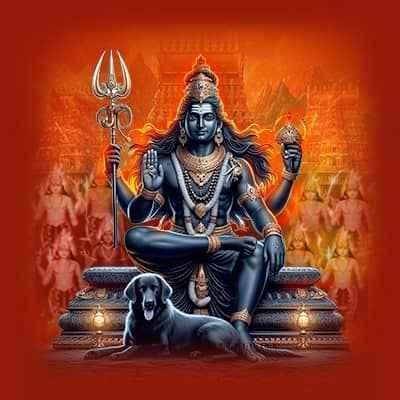
Kaal Bhairav — also written Kala Bhairava — is a fierce manifestation of Lord Shiva traditionally associated with time, death, protection, and the destruction of fear and ego.
According to traditional accounts associated with the Shiva Purana, when Lord Brahma became arrogant about his five heads and claimed supremacy over Shiva, Shiva manifested Kaal Bhairav. Bhairav severed Brahma's fifth head, an episode traditionally interpreted as the destruction of ego and restoration of cosmic order.
The severed head remained attached to Bhairav's hand, and he subsequently wandered through sacred places seeking absolution from the sin of Brahma-hatya. According to the tradition, it was in Kashi (Varanasi) that the skull finally fell from his hand and Bhairav attained liberation.
This story establishes several themes central to Kaal Bhairav worship: confronting ego, respecting dharma, accepting impermanence, and recognizing the authority of time.
In Varanasi, Kaal Bhairav is traditionally known as Kashi ke Kotwal, or the guardian of Kashi. This gives him a distinctive association with protection, justice, and guardianship.
The Kaal Bhairav Mandir in Varanasi is one of the important temples associated with this tradition.
Kaal Bhairav is also connected with the broader Ashta Bhairava tradition, in which eight forms of Bhairav are associated with different directions and aspects of protection.
What Is the Kaal Bhairav Yantra?
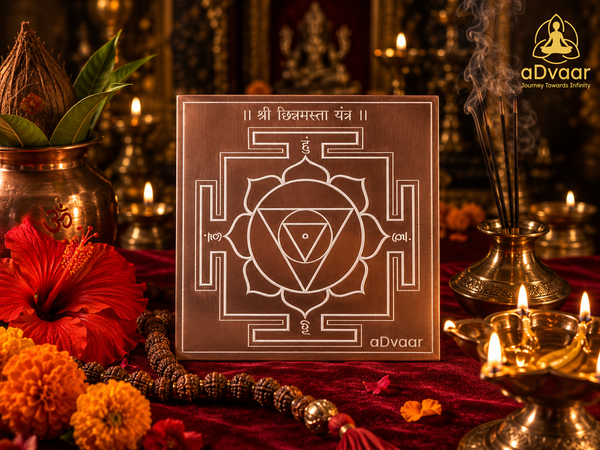
A yantra is a sacred geometric instrument traditionally used as a focal point for meditation, worship, and spiritual practice. Yantras commonly use geometric forms such as triangles, circles, lotus motifs, squares, and a central point known as the Bindu.
The Kaal Bhairav Yantra represents Kaal Bhairav through this geometric framework.
Its central Bindu can be contemplated as a point of concentrated awareness. Geometric elements surrounding the Bindu are traditionally interpreted within a larger symbolic system, while the outer square or Bhupura traditionally represents the boundary of the yantra.
From a spiritual perspective, practitioners use such geometry as a visual and contemplative focus.
The aDvaar Kaal Bhairav Yantra is described by the brand as being made from 95%+ pure electrolytic copper, with 1mm+ thickness and a stated weight of approximately 90–95 grams. These are product specifications supplied by aDvaar and should be checked against the current product page before publication or updating.
Copper as a Yantra Material
Copper has long been used in traditional Indian yantra craftsmanship.
From a material-science perspective, copper is an excellent electrical conductor. Its physical conductivity is a measurable material property.
Traditional yantra practice gives copper additional symbolic and energetic significance. Claims that copper transmits or stores subtle spiritual frequencies belong to the traditional spiritual framework and should not be treated as established scientific findings.
The aDvaar product is described as using electrolytic copper with a natural matte finish and raw back.
Why the Kaal Bhairav Yantra?
The significance of the Kaal Bhairav Yantra is traditionally connected with several themes.
Time, Discipline and Focus
Kaal Bhairav is traditionally associated with Kaal, or time. Devotees may therefore use Kaal Bhairav worship as a spiritual reminder of discipline, responsibility, impermanence, and purposeful use of time.
For someone struggling with procrastination or inconsistent routines, the yantra can function as a structured visual focus during meditation and daily practice.
Protection and Fear
Kaal Bhairav's fierce form is traditionally associated with protection and the dissolution of fear.
The symbolism can be especially meaningful for practitioners reflecting on impermanence, uncertainty, death, or situations that require courage and discipline.
Justice and Dharma
Kaal Bhairav's traditional role as Kashi ke Kotwal connects him with guardianship, order, and justice.
For this reason, some devotees associate Kaal Bhairav worship with situations involving justice, responsibility, and the enforcement of dharma.
These are traditional religious associations, not guaranteed practical outcomes. A yantra should not be treated as a substitute for legal advice, professional services, medical care, or appropriate real-world action.
Spiritual Discipline
For practitioners following Bhairav or Shaiva traditions, Kaal Bhairav worship can form part of a structured spiritual practice involving mantra, meditation, ritual, and contemplation.
The Science and Geometry of the Yantra
Copper: Why This Metal Matters
Copper is valued in both traditional craftsmanship and modern engineering because of its high electrical conductivity.
The commonly cited electrical conductivity of pure copper is approximately 59.6 × 10⁶ S/m at room temperature. This is a measurable physical property of the material.
Traditional yantra traditions interpret copper through a different framework, associating the material with the transmission or retention of subtle spiritual qualities. These traditional interpretations should be distinguished from experimentally established electrical properties.
The aDvaar Kaal Bhairav Yantra is described as using 95%+ electrolytic copper, 1mm+ thickness, and approximately 90–95 grams of weight.
The product description also states that the yantra has a natural copper finish and an untreated/raw back.
Copper naturally develops a patina over time. Changes in colour are therefore a normal characteristic of copper rather than necessarily an indication of deterioration.
Precision Geometry and Traditional Standards
Traditional yantra practice places importance on geometry, proportion, symmetry, and the relationship between different geometric elements.
The supplied aDvaar product information describes the Kaal Bhairav Yantra as following traditional Yantra Shastra standards and being reviewed by qualified practitioners.
Specific textual or mathematical standards for this particular yantra should be verified against the product's current documentation before making detailed technical claims about individual triangles, petals, angles, or proportions.
Trataka Compatibility
Trataka is a traditional fixed-gaze concentration practice.
A practitioner may sit approximately 1.5–2 feet from the yantra and gently focus on the central Bindu for a comfortable period.
A gradual approach is preferable: begin with a short period and increase duration only as comfortable. Avoid forcing the eyes or continuing if discomfort occurs.
The supplied product information describes the aDvaar design as suitable for Trataka practice because of its symmetry and central Bindu.
Kaal Bhairav Worship in Maharashtra and Varanasi
The Varanasi Tradition
The Kaal Bhairav Mandir in Varanasi is strongly associated with the Kashi ke Kotwal tradition.
Kaal Bhairav is traditionally regarded as the guardian of Kashi, giving the temple an important place in the city's Shaiva religious landscape.
The temple's traditions are also associated with Bhairava Ashtami, an important annual observance dedicated to Bhairav.
Bhairav Temples in Pune and Maharashtra
Bhairav worship also has a presence in Maharashtra.
The supplied research identifies several temples and shrines associated with Kaal Bhairav in and around Pune, including:
-
Shri Kalbhairavnaith Mandir, Kasba Peth
-
Kaal Bhairav Nath Temple, Yerwada
-
Shri Kal Bhairav Mandir, Kharadi
-
Kaal Bhairav Shrine, Harihareshwar, Raigad
Descriptions of individual temples, local traditions, historical associations, and visitor experiences should be verified against current temple or authoritative local sources before publication.
Kalashtami: The Monthly Observance
Kalashtami is traditionally observed on the eighth day (Ashtami) of the Krishna Paksha and is associated with Kaal Bhairav worship.
The annual observance commonly known as Kalabhairava Jayanti or Bhairava Ashtami is associated with the appearance of Kaal Bhairav and is traditionally observed in the month of Margashirsha.
The supplied 2026 date should be checked against a reliable Hindu calendar before publishing because lunar-calendar dates can vary according to location and calendrical convention.
During Bhairav observances, devotees may participate in temple worship, fasting, mantra recitation, devotional vigils, and offerings according to their family or sampradaya traditions.
Dogs are traditionally associated with Bhairav as his vahana, and feeding dogs is therefore part of some devotional practices.
How to Use the Kaal Bhairav Yantra
The following process is based on the instructions supplied for the aDvaar Kaal Bhairav Yantra and commonly described yantra worship practices.
Step 1: Cleanse the Yantra
Gently rinse the yantra with clean water and pat it dry using a soft cotton cloth.
Gangajal may be used according to one's devotional practice.
Step 2: Prepare the Worship Space
Place the yantra on a clean red or yellow cloth in a puja or meditation space.
Keep the surrounding area clean and uncluttered.
Step 3: Light the Offerings
Light a ghee lamp and incense according to your normal worship practice.
Step 4: Sit in Position
The supplied instructions recommend sitting facing East and positioning the yantra approximately at eye level or slightly above while seated.
Step 5: Mantra Practice
The supplied instructions mention chanting:
Om Kalabhairavaya Namah
A commonly used devotional repetition is 108 times, although practitioners may follow the instructions of their guru, family tradition, or sampradaya.
Daily Practice
A simple daily practice can include:
-
Offering fresh flowers.
-
Lighting incense or a lamp.
-
Reciting the chosen Kaal Bhairav mantra.
-
Spending a few minutes in quiet contemplation.
-
Practising Trataka if comfortable.
Consistency is often emphasized in meditation and devotional practice. The duration can be adapted to the practitioner's circumstances.
Trataka Meditation with the Yantra
-
Sit approximately 1.5–2 feet from the yantra.
-
Position the yantra so that the central Bindu is comfortably visible.
-
Gaze softly at the Bindu.
-
Begin with approximately 1–2 minutes.
-
Increase duration gradually if comfortable.
-
Stop if the eyes become strained or uncomfortable.
Trataka is a concentration practice. Claims that it creates a measurable energetic connection with a deity belong to the traditional spiritual interpretation rather than established scientific evidence.
Care and Maintenance
For copper yantras:
-
Avoid soap and harsh chemical cleaners.
-
Rinse gently with clean water when required.
-
Pat dry using a soft cloth.
-
Wipe periodically with a dry, soft cloth.
-
Expect copper to develop a natural patina over time.
-
Store the yantra in a clean and respectful location.
-
If polishing is desired, follow the manufacturer's current care instructions.
The supplied aDvaar guidance mentions diluted lemon juice for restoring brightness. Before using any acidic cleaning method, check the current manufacturer's care instructions because cleaning can change the natural surface finish.
Who May Find the Kaal Bhairav Yantra Meaningful?
Those Seeking Greater Discipline
People who use spiritual objects as reminders for discipline may find the symbolism of Kaal Bhairav particularly relevant to routines, responsibility, and purposeful use of time.
Those Interested in the Bhairav Tradition
The yantra may be relevant to practitioners studying or following Bhairav worship, Shaiva traditions, or related forms of spiritual practice.
Those Reflecting on Fear and Impermanence
Kaal Bhairav's symbolism directly engages with themes of fear, mortality, impermanence, and courage.
Those Interested in Justice and Dharma
The Kashi ke Kotwal tradition gives Kaal Bhairav a strong association with guardianship and justice.
However, spiritual practice should complement rather than replace practical action, professional advice, medical care, or legal assistance where required.
Why Choose aDvaar for Your Kaal Bhairav Yantra?
When evaluating a yantra, useful considerations include material, construction, geometry, documentation, craftsmanship, and the transparency of product specifications.
According to the supplied aDvaar product information:
Material
The Kaal Bhairav Yantra is described as being made from 95%+ electrolytic copper, with approximately 1mm+ thickness and 90–95 grams weight.
Geometry
The product is described as following traditional yantra geometry and being reviewed by qualified practitioners.
Craftsmanship
The supplied information states that the yantra is individually made in Pune, Maharashtra and uses a natural copper finish.
Product Support
The supplied information states that aDvaar provides care instructions and a mantra card with the product.
The aDvaar FAQ provides additional information about yantra activation, Trataka, copper care, and placement.
Explore the Bhairav Collection
Those interested in Bhairav worship can also explore the Bhairav Sadhana Collection.
For users who are uncertain about which yantra may correspond to their interests, YantraMitra can be presented as aDvaar's guided yantra-discovery tool.
Frequently Asked Questions
1. What is Kaal Bhairav Yantra and what does it do?
The Kaal Bhairav Yantra is a sacred geometric instrument associated with Kaal Bhairav, a fierce manifestation of Lord Shiva traditionally connected with time, protection, fear, discipline, and justice.
According to traditional beliefs, the yantra may be used as a focal point for meditation, worship, concentration, and spiritual discipline. These are traditional associations and should not be understood as guaranteed practical outcomes.
2. How do I activate the Kaal Bhairav Yantra at home?
Gently clean the yantra with water and pat it dry. Place it on a clean red or yellow cloth. Light a lamp and incense if these form part of your practice. Sit facing East and recite a Kaal Bhairav mantra, such as Om Kalabhairavaya Namah, while focusing gently on the central Bindu.
For formal Prana Pratishtha, practitioners may follow the guidance of their guru or established spiritual tradition.
3. Where should I place the Kaal Bhairav Yantra?
The supplied aDvaar instructions recommend placing the yantra in a clean, uncluttered space and facing East, at a comfortable viewing height during seated practice.
A puja room, meditation area, or dedicated spiritual space can be used according to personal practice.
4. Is it safe to keep Kaal Bhairav Yantra at home?
A copper yantra is a physical devotional object intended for worship and meditation. It can be kept in a clean, respectful location in the home.
Traditional practices concerning placement can vary between traditions, so practitioners following a specific sampradaya or guru should follow that guidance.
5. What is the benefit of worshipping Kaal Bhairav?
Traditional Kaal Bhairav worship is associated with time, discipline, protection, courage, justice, and overcoming fear.
The Kashi ke Kotwal tradition particularly connects Kaal Bhairav with guardianship and justice.
These are religious and traditional associations rather than scientifically established guarantees.
6. Which day and time is best for Kaal Bhairav worship?
Kalashtami is traditionally considered an important observance for Kaal Bhairav worship. Tuesdays and Sundays are also associated with Bhairav worship in some traditions.
For annual dates such as Kalabhairava Jayanti, check a reliable Hindu calendar for your location because lunar-calendar calculations can differ.
7. What is Trataka meditation and how do I practice it with the yantra?
Trataka is a fixed-gaze concentration practice.
Sit approximately 1.5–2 feet from the yantra and gently focus on its central Bindu. Begin with a short duration, such as 1–2 minutes, and increase gradually if comfortable.
Avoid forcing the eyes or continuing when discomfort occurs.
8. What makes aDvaar's Kaal Bhairav Yantra different from others?
According to the supplied product information, the aDvaar Kaal Bhairav Yantra uses 95%+ electrolytic copper, approximately 1mm+ thickness, and a stated weight of 90–95 grams.
The product is also described as having a natural copper finish and being produced in Pune.
Current specifications, certifications, guarantees, and business credentials should be confirmed on the live product page before publication.
9. Can the Kaal Bhairav Yantra help with legal matters?
Kaal Bhairav is traditionally associated with justice and guardianship, particularly through the Kashi ke Kotwal tradition.
Some practitioners therefore use Kaal Bhairav worship as a spiritual focus when dealing with difficult or justice-related situations.
The yantra should not be considered a substitute for qualified legal advice or legal representation.
10. How do I care for my copper Kaal Bhairav Yantra?
Avoid harsh chemical cleaners and soap. Clean gently with water when needed and dry with a soft cloth.
Copper naturally develops a patina over time. If you want to restore the original brightness, follow the manufacturer's current copper-care instructions before applying any polishing method.
References
-
Kaal Bhairav Mandir, Varanasi — Wikipedia
-
Kala Bhairava Temple — Cultural Heritage of Varanasi — Cultural Heritage of Varanasi
-
Kalabhairava Temple Varanasi: Guardian of Kashi & Lord of Time — HinduTone
-
Kaal Bhairav Nath Temple, Yerwada, Pune — LocalGuideWorld
-
Shri Kal Bhairav Mandir, Kharadi, Pune — Yappe.in
-
Kaal Bhairav Shrine, Harihareshwar, Maharashtra — OrientalZenz
-
Kalashtami 2026 — ProKerala
-
aDvaar Kaal Bhairav Yantra — aDvaar
-
aDvaar Bhairav Sadhana Collection — aDvaar
-
aDvaar Frequently Asked Questions — aDvaar
Traditional References
-
Shiva Purana — traditional accounts concerning the origin and actions of Kaal Bhairav.
-
Skanda Purana — traditional material concerning Kaal Bhairav, sacred places, and Kashi.
-
Aditya Purana — cited in connection with Kalashtami traditions.
-
Yantra Shastra — traditional frameworks concerning yantra geometry, proportions, and materials.