
In the Navagraha tradition of Vedic astrology, Jupiter is known as Guru or Brihaspati, the celestial teacher associated with wisdom, learning, dharma, prosperity, and spiritual guidance. In Jyotish, Jupiter represents principles of knowledge, ethical judgment, generosity, and expansion.
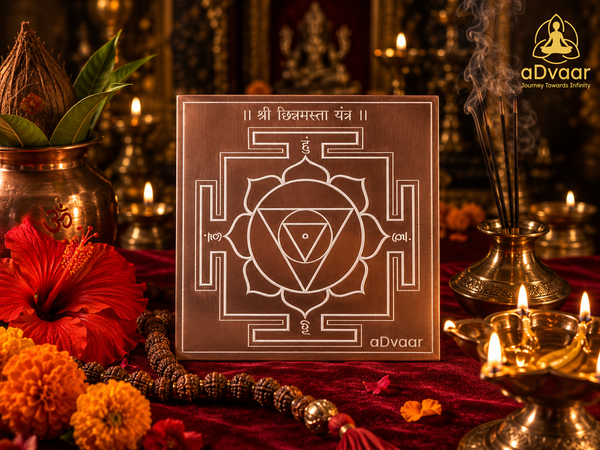
The Guru Yantra, also known as the Jupiter Yantra or Brihaspati Yantra, is a sacred geometric diagram used in traditional worship, mantra practice, meditation, and certain Vastu practices. Devotees use it as a focal point for prayer and reflection on the qualities associated with Guru.

If you are exploring Navagraha worship, learning about traditional Jupiter remedies, or considering a yantra for your home or workspace, this guide explains the Guru Yantra’s symbolism, traditional benefits, placement, mantras, worship practices, and material considerations.
The benefits described in this article reflect traditional spiritual and astrological beliefs. They should not be understood as scientifically established effects or guaranteed outcomes.
What Is the Guru Yantra?
The Guru Yantra is a sacred geometric diagram dedicated to Guru (Jupiter/Brihaspati), one of the nine planetary deities in the Navagraha tradition. In Jyotish astrology, Jupiter is traditionally associated with knowledge, wisdom, wealth, dharma, children, guidance, and spiritual development.
Like other yantras, the Guru Yantra is used as a visual focus during worship and meditation. Its geometric arrangement is understood within the relevant spiritual tradition as a symbolic representation of the qualities associated with Jupiter.
The Bindu, or central point, is an important concept in yantra symbolism. It represents a point of concentration and the unity from which the surrounding geometry is contemplated. The lines, shapes, and proportions of a particular Guru Yantra depend on its design tradition.
In Vedic astrology, Jupiter is traditionally associated with Sagittarius (Dhanu) and Pisces (Meena), and is considered exalted in Cancer (Karka) and debilitated in Capricorn (Makara). Astrologers interpret Jupiter’s placement and aspects within a birth chart when discussing its influence.
Some practitioners use the Guru Yantra as part of their spiritual routine when seeking to cultivate qualities traditionally represented by Jupiter. Its use is a religious or spiritual practice, not a substitute for education, financial planning, relationship counselling, or professional advice.
Why Jupiter Matters in Vedic Astrology
Jupiter, known as Guru or Brihaspati, occupies an important place in traditional Jyotish. The title Dev Guru refers to Jupiter’s role as the teacher of the Devas in Hindu religious narratives.
Jupiter is traditionally associated with:
-
Vidya: Knowledge, learning, and education.
-
Dharma: Ethical conduct, duty, and principles.
-
Dhan: Wealth, resources, and prosperity.
-
Guidance: Teaching, mentorship, and considered judgment.
-
Spirituality: Faith, religious learning, and philosophical inquiry.
-
Progeny and family: Certain traditional astrological interpretations of children and family life.
In Jyotish, the interpretation of Jupiter depends on the complete birth chart, including its sign, house, aspects, conjunctions, and planetary periods. Different astrological schools may interpret individual placements differently.
A Guru Yantra is therefore best understood as one element of a broader devotional or astrological practice. It does not independently determine a person’s education, financial circumstances, relationships, or future.
Traditional Guru Yantra Benefits
The traditional significance of the Guru Yantra comes from its association with Jupiter’s qualities in Vedic astrology. Practitioners may incorporate it into a daily routine of prayer, mantra recitation, meditation, and reflection.
1. Wisdom, Knowledge, and Education
Jupiter is associated with Vidya, learning, and guidance in Jyotish. Students, teachers, scholars, and spiritual learners may use the Guru Yantra as a focal point during prayer or meditation.
A regular contemplative practice can provide a structured opportunity to pause, concentrate, and reflect on learning goals. However, the yantra itself has not been established as a method for improving examination scores, memory, or academic performance.
2. Prosperity and Financial Reflection
Jupiter is traditionally associated with Dhan, abundance, generosity, and prosperity. Some devotees worship the Guru Yantra while praying for stability, responsible growth, and opportunities.
For business owners and professionals, the yantra may serve as a reminder of values such as patience, ethical decision-making, and long-term thinking. It does not guarantee higher income, business growth, investment returns, or the removal of financial difficulties.
3. Marriage and Relationship Traditions
In some schools of Vedic astrology, Jupiter has a particular significance in the interpretation of marriage, including the traditional analysis of a woman's birth chart. Astrological interpretations vary by tradition and chart.
The Guru Yantra may be included in devotional practices intended to seek blessings for harmony, understanding, and family life. It should not be treated as a guarantee of marriage, relationship compatibility, or a solution to interpersonal difficulties.
4. Spiritual Growth and Faith
Jupiter’s traditional associations with dharma, philosophical inquiry, and spiritual teaching make the Guru Yantra relevant to certain devotional practices.
Using the yantra as a meditation or prayer focus may help a practitioner establish a consistent spiritual routine. Its significance depends on the practitioner's beliefs, tradition, and personal practice.
5. North-East Placement in Vastu Traditions
The North-East direction, known as Ishan Kona, holds special significance in several Vastu traditions. Some practitioners associate this direction with spiritual practice, sacredness, and clarity, and may recommend a Jupiter-related yantra for a dedicated worship area.
Vastu interpretations and remedies differ. A Guru Yantra should not be assumed to correct structural problems or guarantee changes in a building’s energy, health, finances, or relationships.
Which Direction Should You Place the Guru Yantra?
The North-East direction (Ishan Kona) is commonly recommended for Guru-related worship in the Vastu framework followed by some practitioners. Before placing a yantra, consider your available space, the instructions supplied with the product, and any guidance from your own tradition.
Pooja Room Placement
A clean, dedicated worship area is a practical place for a Guru Yantra.
-
Place it on a stable altar or clean raised surface.
-
Keep the area tidy and treat the yantra respectfully.
-
If your tradition specifies an orientation, follow that guidance.
-
Choose a location where you can comfortably perform prayer or meditation.
Yellow is traditionally associated with Jupiter in many devotional contexts, so some practitioners use a yellow cloth or flowers during worship.
Office or Study Area
A study table, office shelf, or designated meditation space may be suitable if you want the yantra to serve as a reminder of learning, thoughtful decisions, and ethical conduct.
If you follow a particular Vastu system, consult its placement guidance. The recommended direction, height, and orientation may vary by tradition and the layout of the space.
Locations to Consider Carefully
Many devotional traditions recommend keeping sacred objects in a clean, respectful location rather than placing them directly on the floor or in an untidy area.
Choose a stable position away from routine handling, accidental damage, and unsuitable environmental conditions. Follow any product-specific care instructions.
How to Worship and Energize a Guru Yantra
The ritual used to consecrate or worship a yantra varies among traditions, families, temples, and teachers. The following is a general devotional routine, not a universal or mandatory consecration procedure.
A Simple Step-by-Step Routine
1. Prepare the space
Clean the surface where the yantra will be placed. Set aside a quiet period for prayer or meditation.
2. Place the yantra respectfully
Position the yantra on a stable altar or another clean surface. If you follow a specific Vastu or worship tradition, use its placement instructions.
3. Offer traditional items if appropriate
Some devotees offer flowers, light a lamp, or burn incense. These practices are optional and should be adapted to your household's customs and fire-safety needs.
4. Recite a Guru mantra
Choose a mantra appropriate to your tradition and recite it at a comfortable pace. Some practitioners use a count of 11 or 108 repetitions.
5. Spend time in reflection
Sit quietly and reflect on qualities associated with Guru, such as learning, patience, integrity, generosity, and spiritual understanding.
6. Maintain a consistent routine
If the practice is meaningful to you, repeat it regularly. A simple, sustainable routine is often easier to maintain than an elaborate ritual.
Guru Mantras
Several mantras are associated with Guru or Brihaspati worship. Transliteration and ritual use may differ by tradition, so verify the wording with a trusted traditional source or teacher before publishing or adopting a formal practice.
Guru Beeja Mantra
“Om Gram Greem Graum Sah Gurave Namah”
Simple Guru Mantra
“Om Gurave Namah”
Brihaspati Mantra
“Om Brihaspataye Namah”
Some traditions also include Guru Gayatri recitation, the Dakshinamurthy Stotra, or other devotional hymns in their practice.
Thursday, known as Guruvar, is traditionally associated with Jupiter in many Hindu observances. Devotees may choose this day for Guru worship or mantra recitation.
There is no single repetition count that applies to every tradition. If you are following a formal mantra japa or anushthana, seek guidance from a qualified teacher within that tradition.
Guru Yantra Meditation and Trataka
Trataka is a traditional yogic concentration practice involving steady visual attention on a chosen object or point. A yantra can serve as a visual focus for some practitioners.
A Gentle Visual-Focus Practice
-
Place the yantra at a comfortable viewing distance in a well-lit, quiet space.
-
Sit in a relaxed posture and allow your breathing to settle.
-
Look softly at the central point or another chosen feature of the design.
-
Avoid forcing your eyes to remain open or suppressing the urge to blink.
-
Stop if your eyes feel strained, dry, painful, or uncomfortable.
-
Close your eyes afterward if comfortable, and take a moment to reflect on the practice.
Traditional Trataka instructions vary, and not every version involves prolonged unblinking gaze. Do not push through eye discomfort. People with relevant eye conditions should seek appropriate professional guidance before attempting prolonged visual practices.
The yantra's geometric design may provide a visual focus, but claims that a particular product has specially certified or scientifically validated meditation geometry should be supported by documentation.
Guru Yantra for Weak Jupiter in a Horoscope
In Jyotish, astrologers may describe Jupiter as weak, afflicted, debilitated, combust, or involved in a challenging planetary combination. These terms belong to the interpretive framework of Vedic astrology.
Some practitioners recommend Guru-related worship, mantra recitation, charity, or a Guru Yantra as part of a traditional remedial practice. The selection of a remedy depends on the astrological school, the complete chart, and the practitioner's guidance.
Topics sometimes discussed in this context include:
-
Jupiter's placement in Capricorn, traditionally described as its debilitation sign.
-
Jupiter's relationship with Rahu in combinations sometimes called Guru Chandal Dosha.
-
Jupiter's conjunctions or aspects involving Saturn or other planets.
-
Jupiter's planetary periods, including Mahadasha and Antardasha.
Astrological interpretations are not scientific diagnoses. Financial difficulty, educational challenges, relationship concerns, and uncertainty about career direction can have many practical causes. A yantra should not replace professional advice, financial planning, education, or appropriate relationship support.
Some devotees combine Guru worship with Thursday observances, mantra recitation, devotional reading, charity, or other practices from their tradition.
Copper Guru Yantras: Material and Care Considerations
Copper is widely used in traditional ritual objects, including some yantras, vessels, and devotional accessories. It is a metal with well-established physical properties, including high electrical and thermal conductivity.
These material properties do not establish that a copper yantra conducts, stores, or amplifies spiritual or planetary energy. Such interpretations belong to religious and traditional belief systems.
When evaluating a copper yantra, consider practical product details such as:
-
Material composition: Whether the item is copper, a copper alloy, plated material, or another metal.
-
Thickness and weight: Whether the measurements are clearly stated and consistent with the delivered product.
-
Dimensions: Whether the listed size suits your intended placement.
-
Surface finish: Whether the product is coated, polished, plated, or left unfinished.
-
Design information: Whether the seller explains the design tradition used.
-
Care instructions: How to clean, store, and protect the item.
-
Warranty and documentation: What is covered, for how long, and under which terms.
If a product is advertised as 95%+ pure electrolytic copper, certified Vedic geometry, or covered by a lifetime material warranty, look for specific supporting documentation and written terms.
Copper can tarnish with exposure to air, moisture, and certain substances. Follow the seller's care instructions, and avoid abrasive cleaners unless they are explicitly recommended for the product.
Who May Consider Using a Guru Yantra?
Within traditional Guru worship, the yantra may be of interest to:
-
Students and lifelong learners who want a dedicated prayer or meditation focus.
-
Teachers, mentors, and people engaged in educational or advisory work.
-
Devotees who observe Thursday worship or other Guru-related traditions.
-
People exploring Navagraha worship and the symbolism of Jupiter.
-
Practitioners who follow Vastu traditions and want a designated sacred object for a worship area.
-
Individuals seeking a regular spiritual practice centred on learning, integrity, patience, and guidance.
Some astrologers also discuss Guru Yantra worship in connection with Sagittarius and Pisces placements, Jupiter's position in a birth chart, or Jupiter-related planetary periods. Personal recommendations vary, and a yantra should not be treated as necessary for people born under a particular sign or as a guaranteed remedy for a horoscope.
Guru Worship Traditions and Temples
Guru and Brihaspati worship appear in different Hindu devotional and astrological traditions. Practices vary by region, temple, lineage, and local observance.
Alangudi and Guru Worship
The Abathsahayeswarar Temple at Alangudi in Tamil Nadu is widely associated with Guru worship within the Navagraha temple tradition. Dakshinamurthy, a form of Shiva revered as the supreme teacher, is an important figure in several South Indian traditions of spiritual learning.
If you plan to visit, confirm current temple timings, special observances, and local worship procedures with official temple or tourism sources.
Brihaspati and Regional Devotional Traditions
Brihaspati is honoured in devotional and astrological practices across India. Some temples and local shrines are associated with Guruvar observances, Brihaspati worship, or specific regional traditions.
Temple names, histories, legends, and claims of antiquity should be checked against reliable temple records or authoritative local sources before publication. Avoid describing an idol as self-manifested or a temple as ancient unless a dependable source supports that specific claim.
Thursday Observances in Maharashtra
In Maharashtra, as in other parts of India, some households observe Thursday as a day associated with Guru or Brihaspati. Depending on family and regional tradition, practices may include prayer, mantra recitation, devotional reading, or offerings.
Practices are not uniform across all Maharashtrian households. Follow the customs of your own family or spiritual tradition if you choose to observe Guruvar.
Exploring the aDvaar Advanced Guru Yantra
The aDvaar Advanced Guru (Jupiter) Yantra is presented as a product for people interested in traditional Guru worship, yantra symbolism, and a dedicated meditation or worship space.
Before purchasing, review the current product listing for the exact dimensions, material composition, weight, finish, included accessories, care instructions, warranty, and price. Any claims concerning copper purity, geometric certification, expert verification, manufacturing location, or business registrations should be confirmed from current product documentation.
For those exploring a broader Navagraha arrangement, the Advanced Nav Graha Yantra Collection may also be relevant. Check the current listing to confirm the collection's contents, individual dimensions, placement guidance, and other specifications.
Choose a yantra based on the design, material information, practical suitability, and the role you want it to play in your spiritual practice.
Frequently Asked Questions About Guru Yantra
What is a Guru Yantra?
A Guru Yantra, also known as a Jupiter Yantra or Brihaspati Yantra, is a sacred geometric diagram associated with Jupiter in Vedic astrology. It is traditionally used as a focal point for worship, mantra recitation, meditation, and certain Vastu practices.
What are the traditional benefits of Guru Yantra?
Traditional interpretations associate the Guru Yantra with wisdom, learning, dharma, prosperity, spiritual reflection, and guidance. These are religious and astrological associations rather than scientifically established effects or guaranteed outcomes.
Which direction is recommended for Guru Yantra placement?
The North-East direction, known as Ishan Kona, is commonly recommended in some Vastu traditions for Guru-related worship. Placement recommendations can vary, so follow the instructions of your own tradition and the product's documented guidance.
How do I worship or energize a Guru Yantra?
A simple routine may include preparing a clean space, placing the yantra respectfully, offering flowers or lighting a lamp if appropriate, reciting a Guru mantra, and spending a few minutes in reflection. Formal consecration rituals differ across traditions.
Which mantra is used for Guru Yantra?
A mantra commonly associated with Guru worship is “Om Gram Greem Graum Sah Gurave Namah.” Other traditions use “Om Gurave Namah,” “Om Brihaspataye Namah,” or additional devotional hymns. Verify the wording and pronunciation with a reliable traditional source.
Is Thursday a suitable day for Guru Yantra worship?
Thursday, or Guruvar, is traditionally associated with Jupiter in many Hindu observances. Some devotees choose Thursday for prayer, mantra recitation, or other Guru-related practices, although routines vary.
Can I place a Guru Yantra in my office or study room?
A clean, stable shelf, desk, or dedicated meditation area may be suitable if it aligns with your tradition and available space. If you follow a particular Vastu system, consult its guidance on direction and orientation.
Can Guru Yantra help with education or career?
In Jyotish, Jupiter is associated with knowledge, guidance, and dharma. Some practitioners use the yantra as part of a spiritual routine while pursuing educational or professional goals. It has not been established as a way to guarantee academic results, promotions, income, or career success.
Is Guru Yantra a remedy for weak Jupiter?
Some Jyotish practitioners recommend Guru-related worship or yantra use as a traditional remedy for certain Jupiter placements. Interpretations vary by astrological school, and a yantra should not be considered a guaranteed solution to financial, educational, family, or career difficulties.
How is Guru Yantra different from Yellow Sapphire (Pukhraj)?
Yellow Sapphire is a gemstone used in some astrological traditions as a Jupiter-related remedy. A Guru Yantra is a geometric devotional object used for worship, meditation, or traditional ritual practice. Their use and significance differ by tradition. Claims that either item reliably changes real-world outcomes are not scientifically established.
How often should I chant the Guru mantra?
Some practitioners recite a mantra 11 or 108 times, often during a morning routine or on Thursday. There is no single repetition count that applies to every tradition. For a formal mantra practice, follow guidance from a trusted teacher.
What should I check before buying a copper Guru Yantra?
Review the material composition, dimensions, thickness, weight, finish, care instructions, and warranty terms. If the seller claims copper purity, formal geometric certification, expert verification, or a specific manufacturing location, check the supporting documentation.
References and Further Reading
aDvaar Product and Knowledge Hub Sources
-
What Are the Benefits of Pure Copper Yantras? — aDvaar Knowledge Hub
-
How Can I Find Certified Yantra Shastra Products? — aDvaar Knowledge Hub
-
Where Can I Buy Pure Copper Yantras Online? — aDvaar Knowledge Hub
Traditional and Astrological References
-
Brihat Parashara Hora Shastra — a classical Jyotish text associated with planetary significations and birth-chart interpretation.
-
Srimad Bhagavatam — a Hindu religious text containing narratives involving Brihaspati and other divine figures.
-
Drik Panchang — consult the relevant Guru mantra or observance reference and verify the exact page before publication.
-
Sri Jagannath Center — consult relevant Jyotish resources and verify the specific source used.
Temple and Regional References
For specific temple histories, deity associations, festivals, and worship procedures, consult official temple publications, state tourism resources, or other authoritative regional sources. Verify individual claims before naming a temple as a primary Guru shrine or attributing a specific legend to it.