
The Sun illuminates, while the Moon reflects. In Vedic tradition, Chandra (the Moon) is associated with the mind, emotions, intuition, nurturing, and the changing rhythms of inner life. Its waxing and waning phases have long held symbolic significance in Hindu religious and astrological traditions.
Within Jyotish, Chandra is known as the Mano Karaka, or significator of the mind. The Moon is traditionally connected with emotional nature, imagination, creativity, maternal relationships, and mental composure.
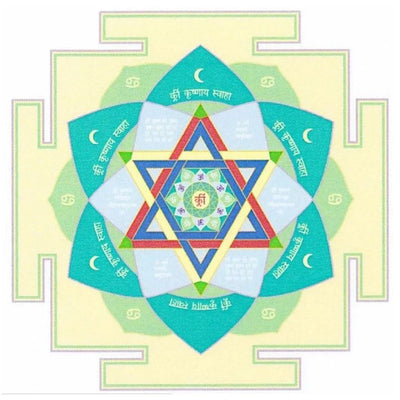
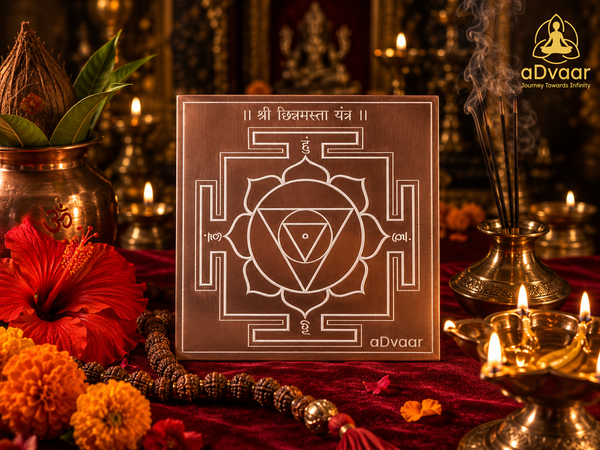
The Chandra Yantra is a sacred geometric diagram dedicated to Chandra. Practitioners use it as a focus for mantra recitation, worship, meditation, and certain Vastu-related practices. Rather than treating it as a decorative lunar symbol, traditional yantra practice approaches the diagram as a dedicated object of concentration and devotion.
If you are exploring Navagraha remedies or learning about traditional Vastu recommendations for the North-West direction, this guide explains the Chandra Yantra's symbolism, placement, worship practices, and material characteristics.
What Is the Chandra Yantra?
The Chandra Yantra is a geometric diagram dedicated to Chandra, the Moon, in Vedic astrological tradition. It is associated with the Navagraha system and the traditional concept of Mano Karaka, which connects the Moon with the mind and emotional nature.
Yantras commonly use geometric forms, symmetry, and a central Bindu, or point, as a focus for contemplation. The exact design varies according to the particular yantra and its tradition; specific claims about the geometry of a product should be checked against its actual design.
In Jyotish, Chandra is associated with the mind, emotions, intuition, imagination, creativity, maternal relationships, and nurturing qualities. Astrologers interpret the Moon's placement and relationships with other planets when discussing these themes in a birth chart.
The aDvaar Advanced Chandra (Moon) Yantra is described in the supplied product information as intended for Vastu-related placement, particularly in the North-West direction. This recommendation belongs to a traditional spiritual framework and is not a scientifically established method of changing emotional or environmental conditions.
Why the Moon Matters in Vedic Astrology
Among the Navagrahas, Chandra has a distinctive symbolic role because of its association with the mind, emotional responses, memory, and perception. In Jyotish, the Moon is often described as the natural Mano Karaka, representing aspects of a person's mental and emotional nature.
Traditional descriptions portray Chandra with a luminous white or silvery appearance and associate the Moon with water, nourishment, coolness, and nurturing qualities. Religious narratives also connect Chandra with deities, lunar cycles, and the broader Navagraha tradition.
In Vedic astrology, the Moon rules Cancer (Karka) and is traditionally considered exalted in Taurus (Vrishabha), with its exaltation point commonly placed at 3 degrees Taurus. Astrological interpretations of these placements depend on the broader birth chart and the tradition being followed.
Chandra is also associated with the nakshatras Rohini, Hasta, and Shravana in the traditional system of planetary rulership.
Within this framework, a well-placed Moon is often interpreted as symbolically supportive of:
-
Emotional composure and mental clarity
-
Creativity, imagination, and intuition
-
Maternal and family relationships
-
Memory and learning
-
Social connection and emotional sensitivity
A challenging lunar placement may be interpreted by an astrologer in relation to emotional fluctuations, restlessness, or relationship difficulties. These are astrological interpretations, not medical diagnoses. Persistent anxiety, sleep difficulties, or other health concerns should be addressed with appropriate professional support.
Traditional Benefits Associated with the Chandra Yantra
The traditional associations of the Chandra Yantra arise from the Moon's symbolic role in Vedic astrology. Practitioners may incorporate it into a devotional or meditative routine for the following purposes.
Emotional Balance and Mental Peace
Chandra is associated with Manas, or the mind, in Vedic astrological tradition. Some practitioners use the Chandra Yantra as a focal point for prayer, mantra recitation, or quiet reflection when seeking a sense of calm and emotional balance.
The yantra has not been established as a treatment for anxiety, mood disorders, or other mental health conditions. It should be understood as a spiritual practice rather than a clinical intervention.
Relationships and Maternal Bonds
The Moon is traditionally associated with nurturing, maternal relationships, sensitivity, and emotional connection. Chandra-related worship may hold personal significance for people who wish to reflect on family relationships, compassion, and emotional understanding.
These associations are matters of religious and astrological tradition; the yantra cannot guarantee improvements in relationships.
Creativity, Intuition, and Imagination
Chandra is symbolically connected with imagination, artistic expression, and intuitive perception. Artists, writers, musicians, and creative professionals may choose the Chandra Yantra as a focal point for reflection before creative work.
Any benefit from such a routine will vary by individual. The yantra should not be presented as a proven means of enhancing intuition, creativity, or subconscious abilities.
Sleep and Emotional Resilience
The Moon is traditionally associated with cyclical rhythms, the subconscious, and emotional life. Some practitioners incorporate lunar worship into evening reflection or a personal spiritual routine.
There is no established evidence that placing a Chandra Yantra in a bedroom treats insomnia, reduces nightmares, or resolves anxiety. For persistent sleep difficulties, consider evidence-based sleep practices and appropriate medical advice.
Chandra Dosha and Planetary Remedies
In Jyotish, astrologers may interpret certain birth-chart configurations as challenging for Chandra. Terms such as Chandra Dosha or Grahan Dosha are used within specific astrological contexts, and interpretations may differ.
Some practitioners include the Chandra Yantra in a wider routine of Moon-related worship, mantra recitation, prayer, or other traditional remedies. These practices are spiritual choices, not scientifically established methods of treating psychological or physical conditions.
Vastu Practices for the North-West Direction
In certain Vastu traditions, the North-West direction, or Vayavya, is associated with the air element and particular symbolic correspondences. The aDvaar product guidance supplied for this article identifies the North-West as the recommended placement for its Chandra Yantra.
Vastu interpretations vary. The yantra should be understood as a traditional spiritual object rather than a scientifically verified method of correcting structural or environmental problems.
Which Direction and Where to Place the Chandra Yantra
The North-West direction is the primary placement recommended in the supplied aDvaar product guidance for the Advanced Chandra (Moon) Yantra.
Some traditional sources may recommend other directions depending on the ritual, school of Vastu, or the layout of a particular space. Confirm the instructions that apply to the product and tradition you follow.
Pooja Room Placement
A dedicated pooja room or clean worship area is a common place for a Chandra Yantra. Place it on a stable platform at a respectful height, using a white or light-colored cloth if that is consistent with your practice.
Keep the space clean and ensure the yantra is secure. Follow any care instructions provided with the product.
Bedroom Placement
Some practitioners choose to keep Moon-related devotional objects in a bedroom or private meditation space. If you choose this placement, select a clean, stable location where the yantra will not be knocked over or damaged.
Bedroom placement should be understood as a matter of personal preference and tradition, not as a proven way to improve sleep or relieve anxiety.
Office and Workspace
A Chandra Yantra may be displayed in a workspace by people who incorporate lunar symbolism into their spiritual practice. A shelf or dedicated display area can provide a consistent place for quiet reflection.
Confirm the product's actual dimensions, weight, and mounting requirements before selecting a permanent installation location.
Areas Commonly Avoided in Traditional Practice
Many worship traditions favor clean, orderly, and respectful locations for sacred objects. Bathrooms, areas immediately beside toilets, cluttered storage areas, and locations where the yantra may be damaged or disturbed are commonly avoided.
Keep the yantra secure, dry, and protected from accidental damage.
How to Activate and Worship Your Chandra Yantra
Activation practices vary among teachers, regional customs, and religious traditions. The following routine reflects the guidance described in the supplied product information. It should be understood as a devotional practice, not a scientifically established process for changing planetary influences.
Step-by-Step Activation
1. Clean the yantra.
Follow the product's care instructions. If water cleaning is permitted, use clean water and gently dry the surface with a soft cloth. Gangajal may be used by practitioners who follow that custom. Avoid abrasive materials or harsh chemicals.
2. Prepare the altar.
Place the yantra on a stable, clean surface. A white or light-colored cloth may be used if appropriate to your tradition and the product's care instructions.
3. Create a calm setting.
You may light a traditional lamp or incense if appropriate and safe. Keep flames away from curtains, packaging, and other combustible materials.
4. Position yourself comfortably.
The supplied product guidance recommends sitting facing East, approximately 1.5–2 feet from the yantra. Adjust the distance to avoid visual strain.
5. Recite the Chandra Beeja Mantra.
The mantra specified in the supplied product guidance is:
“Om Shram Shreem Shraum Sah Chandraya Namah.”
Practitioners may recite it 108 times while focusing gently on the central point of the yantra, according to their customary practice.
6. Conclude with reflection.
Finish with a short prayer, gratitude, or a few moments of quiet reflection.
Chandra Mantras
The primary mantra specified in the supplied aDvaar product information is:
Chandra Beeja Mantra:
“Om Shram Shreem Shraum Sah Chandraya Namah”
Other mantras associated with Chandra worship include:
-
Chandra Moola Mantra: “Om Chandraya Namah”
-
Som Mantra: “Om Somaya Namah”
-
Chandra Gayatri: The wording and transliteration may vary between sources and traditions; verify the preferred version against a trusted religious source before publication.
Mantra transliterations can differ. If you follow a particular teacher or lineage, use the version recommended by that source.
Monday and Chandra Worship
Monday, or Somvar, is traditionally associated with Chandra and is also widely connected with the worship of Lord Shiva. Some practitioners choose Monday to begin or renew a Moon-related devotional routine.
Extended mantra practices may involve larger repetition counts, including 7,000 repetitions in certain traditional contexts. The appropriate count depends on the specific practice and its source; it should not be presented as a universal requirement.
A Simple Daily Practice
A simple routine may include preparing the worship area, offering flowers if desired, reciting a mantra 11 or 108 times, and spending a few minutes in quiet reflection.
Choose a routine that is comfortable and sustainable. Consistency is a personal devotional preference, not a guarantee of a particular result.
Chandra Yantra Meditation and Trataka Practice
Trataka is a traditional yogic concentration practice involving sustained visual attention on a chosen point or object. Some practitioners use a yantra as the visual focus for meditation.
How to Approach Yantra Gazing
-
Place the yantra securely at a comfortable viewing height.
-
Sit in a relaxed position with adequate support.
-
Look gently toward the central point without forcing your eyes to remain open.
-
Begin with a short session and stop if you experience discomfort.
-
Close your eyes afterward if comfortable and spend a moment noticing your breathing and attention.
Avoid prolonged or forced unblinking gazing. Stop if your eyes become painful, excessively dry, or uncomfortable. People with existing eye conditions or concerns about visual exercises should seek appropriate professional guidance.
The supplied aDvaar product description refers to the yantra's geometry as suitable for Trataka practice. Before publishing this as a verified technical feature, confirm that the claim is supported by documented design criteria or an appropriate review.
Chandra Yantra for Weak Moon: Traditional Astrological Remedies
Within Vedic astrology, an astrologer may interpret the Moon as weak, debilitated, or afflicted according to a birth chart. These interpretations may be connected traditionally with emotional nature, family relationships, creativity, or other Moon-related themes.
The Chandra Yantra is one of several objects and practices that some people incorporate into Moon-related worship. Other traditional practices may include:
-
Monday worship, or Somvar observance
-
Prayer or worship dedicated to Lord Shiva
-
Chandra mantra recitation
-
Reflection or meditation as part of a personal spiritual routine
The use of a yantra should not be presented as a substitute for medical or mental health care. If you experience persistent anxiety, sleep problems, emotional distress, or difficulties in relationships, seek appropriate support alongside any spiritual practice you choose.
Copper Chandra Yantras: Material and Craftsmanship
Copper has useful physical properties, including high electrical and thermal conductivity. It is used in electrical, industrial, and manufacturing applications. These measurable properties do not establish that a copper yantra conducts spiritual or planetary energy.
In Hindu ritual traditions, copper is used for various worship objects and vessels. Its significance in a yantra is therefore cultural, material, and devotional.
According to the product specifications supplied for this article, the aDvaar Advanced Chandra (Moon) Yantra is described as being made from 95%+ pure electrolytic copper, with a thickness of 1 mm or more, a weight of 90 grams or more, and a stated size of 6 inches. The product description also states that the back is left uncoated.
These specifications should be confirmed against the current product listing and manufacturing records before publication. Copper purity, thickness, weight, dimensions, certification, and warranty terms are separate claims and should each have appropriate supporting documentation.
Avoid generalizing about competing products or describing them as adulterated or inferior without reliable evidence. Material claims should be specific, verifiable, and consistent with the actual product.
For further reading, see aDvaar's article on the benefits of pure copper yantras.
Who May Be Interested in the Chandra Yantra?
The Chandra Yantra may be of interest to people who follow Navagraha worship or incorporate lunar symbolism into their spiritual routines, including:
-
People interested in Cancer (Karka), the sign traditionally ruled by the Moon.
-
People interested in Taurus (Vrishabha), where the Moon is traditionally considered exalted.
-
Individuals who consult a Jyotish practitioner about the Moon's placement in a birth chart.
-
People who follow traditional practices associated with Chandra Dosha or Grahan Dosha.
-
Practitioners who observe Chandra Mahadasha or Antardasha within Vedic astrology.
-
Artists, writers, musicians, and other creative professionals who use meditation or devotional practice.
-
People who want to include a yantra in a personal worship or meditation space.
-
Individuals following a Vastu tradition that recommends a Moon-related object in the North-West zone.
These examples describe traditional associations and potential interest, not evidence that the yantra will produce a particular outcome. Choose spiritual objects according to your beliefs, preferences, and the guidance of a trusted tradition.
Chandra Worship Traditions and Temples
Chandra worship forms part of the broader Navagraha tradition. The name Soma also appears in Vedic literature and Hindu religious traditions, with meanings and associations that vary by context.
Stories about Chandra, Daksha, Rohini, Brihaspati, and Lord Shiva are part of Hindu religious narratives. Different texts and regional traditions preserve different versions of these stories.
The Thingalur Navagraha Temple
The Kailasanathar Temple at Thingalur near Thanjavur, Tamil Nadu, is commonly identified with Chandra in Navagraha pilgrimage traditions. The Tamil word Thingal is associated with the Moon, and the temple is visited by devotees who follow Moon-related worship practices.
Temple legends connect Chandra with a curse attributed to Daksha and with worship of Lord Shiva. These narratives form part of the religious tradition surrounding Chandra worship. Specific details about the temple's shrine, ritual schedule, architecture, and seasonal light patterns should be verified through reliable temple or tourism sources before publication.
Thalaichangadu and Naanmadiya Perumal Temple
The Naanmadiya Perumal Temple at Thalaichangadu in Tamil Nadu is associated with Vaishnava religious tradition and is included among the Divya Desams. Local temple narratives connect the site with Chandra and stories of spiritual redemption.
Details concerning Chandra Pushkarini, Chandra Vimanam, and the specific legends associated with the temple should be confirmed against reliable temple or religious-history sources before making definitive claims.
For pilgrims, confirm current opening hours, travel arrangements, and ritual information through an official temple or local source.
Monday Somvar Worship Tradition
Monday, or Somvar, is widely associated with Lord Shiva worship in many parts of India, including Maharashtra. Devotees may offer water, milk, or flowers at a Shiva shrine and recite prayers according to their tradition.
Some people incorporate Chandra-related mantra recitation into their Monday worship. Practices differ by family, region, and religious lineage, and participation is a personal devotional choice.
Understanding the aDvaar Advanced Chandra (Moon) Yantra
The following features are described in the supplied product information. Verify each specification and commercial claim against the current product page and supporting records before publishing.
-
Copper composition: Described as 95%+ pure electrolytic copper.
-
Thickness: Described as 1 mm or more.
-
Weight: Described as 90 grams or more.
-
Dimensions: Described as 6 inches.
-
Design: Presented as following traditional Vedic yantra geometry.
-
Meditation use: Described as suitable for Trataka-style visual concentration.
-
Care and worship guidance: The product information states that activation instructions and a mantra card are included.
-
Manufacturing location: Described as made in Pune, Maharashtra.
-
Warranty: A lifetime material warranty is claimed in the supplied draft. Confirm the exact scope, exclusions, and written terms before using this statement.
-
Business credentials: GST compliance, MSME registration, and Startup India recognition should be described only in accordance with current, verifiable records.
Claims such as “certified Vedic geometry,” verification by qualified gurus, and a particular industrial copper grade should be supported by identifiable evidence. Avoid implying that a certification exists unless the certifying organization, standard, and scope can be documented.
For more guidance, read aDvaar's article on how to find certified Yantra Shastra products.
Exploring the Navagraha Yantra Collection
The Chandra Yantra is one component of the wider Navagraha tradition. People who follow planetary worship or Vastu practices may explore yantras associated with other celestial bodies as part of their devotional routine.
If you are interested in the broader collection, see the Advanced Nav Graha Yantra Collection. Review the current product listing for the exact items included, their specifications, and the placement guidance provided.
A complete set should not be presented as necessary for everyone or as a guarantee of comprehensive Vastu correction. Choose spiritual objects according to your beliefs, available space, and the guidance you follow.
Frequently Asked Questions
What is a Chandra Yantra, and what is it used for?
The Chandra Yantra is a sacred geometric diagram dedicated to Chandra (the Moon) in Vedic astrological tradition. It is used by some practitioners as a focus for worship, mantra recitation, meditation, and traditional Vastu practices. Chandra is symbolically associated with the mind, emotions, intuition, creativity, and nurturing.
Which direction should the Chandra Yantra be placed?
The North-West direction is the primary placement described in the supplied aDvaar product guidance. Recommendations may vary across Vastu traditions and according to the layout of a particular space. Confirm the exact instructions applicable to your product and practice.
How do I activate a Chandra Yantra?
The supplied product guidance describes cleaning the yantra according to its care instructions, placing it in a dedicated worship area, sitting comfortably facing East, and reciting the Chandra Beeja Mantra: “Om Shram Shreem Shraum Sah Chandraya Namah.” Practices differ between traditions, so follow the guidance appropriate to your own worship practice.
What are the traditional benefits associated with the Chandra Yantra?
Chandra is traditionally associated with emotional nature, imagination, intuition, maternal relationships, and mental life. Practitioners may use the yantra as a devotional or meditative focus connected with these themes. These associations are traditional beliefs, not scientifically established outcomes.
Can I keep a Chandra Yantra in my bedroom?
Some practitioners choose to keep Moon-related devotional objects in a bedroom or private meditation space. If you do so, choose a stable, clean location where the yantra will remain secure. Bedroom placement should not be treated as a proven method for improving sleep or reducing anxiety.
Is the Chandra Yantra a remedy for a weak Moon in a horoscope?
Some Jyotish practitioners use the Chandra Yantra as part of Moon-related worship or remedial practice. Astrological interpretations vary, and the yantra should not be treated as a guaranteed solution to emotional, relationship, educational, or health difficulties.
How is the Chandra Yantra different from wearing a Pearl (Moti) gemstone?
The Chandra Yantra is a geometric object used in traditional worship and meditation. Pearl, or Moti, is a gemstone associated with the Moon in certain astrological traditions. Their customary uses differ, and recommendations depend on the tradition and practitioner. Neither should be represented as a scientifically established way to change life outcomes.
How often should I recite the Chandra mantra?
Some practitioners recite the mantra daily, using 11 or 108 repetitions. Monday is traditionally associated with Chandra and may be chosen for worship by those who follow this custom. Select a routine that is comfortable and consistent with your own practice.
Which day is associated with Chandra Yantra worship?
Monday, or Somvar, is traditionally associated with Chandra and Lord Shiva worship. Some practitioners choose Monday for an extended prayer or mantra routine. Daily worship on other days is also a personal choice within one's devotional practice.
Can the Chandra Yantra help with anxiety or sleep difficulties?
The Moon is symbolically associated with emotions and mental life in Vedic astrology, and some practitioners include the yantra in personal reflection or worship. The yantra has not been established as a treatment for anxiety, insomnia, or other health conditions. Seek appropriate professional support for persistent symptoms.
What makes the aDvaar Advanced Chandra Yantra different?
The supplied product information describes the yantra as made from 95%+ pure electrolytic copper, at least 1 mm thick, weighing 90 grams or more, and measuring 6 inches. It also mentions traditional geometry, meditation use, care instructions, a mantra card, manufacturing in Pune, and a lifetime material warranty. Confirm all specifications, credentials, and warranty terms against the current product listing before relying on them.
References and Further Reading
Official aDvaar Sources
-
What Are the Benefits of Pure Copper Yantras? — aDvaar Knowledge Hub
-
Where Can I Buy Pure Copper Yantras Online? — aDvaar Knowledge Hub
-
How Can I Find Certified Yantra Shastra Products? — aDvaar Knowledge Hub
Traditional and Astrological References
-
Srimad Bhagavatam — narratives concerning Chandra within Hindu religious tradition.
-
Brihat Parashara Hora Shastra — traditional Jyotish interpretations of Chandra as associated with the mind.
-
Drik Panchang — consult the relevant Chandra mantra reference and verify the exact wording and transliteration before publication.
Temple References
-
Kailasanathar Temple, Thingalur, Tamil Nadu — associated with Chandra in Navagraha pilgrimage traditions.
-
Naanmadiya Perumal Temple, Thalaichangadu, Tamil Nadu — associated with Vaishnava religious tradition and local Chandra narratives.