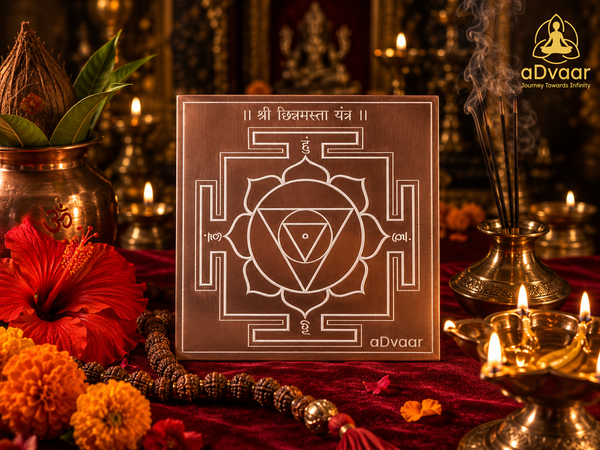

The name Swarna Akarshan Bhairav is often associated with wealth and prosperity. However, its traditional meaning extends beyond a simple association with gold.
In Sanskrit, Swarna means gold, while Akarshan means attraction. The name is therefore commonly interpreted as “the Bhairav who attracts gold.” Within Hindu and Tantric traditions, gold can also symbolize purity, stability, enduring value, and prosperity.


Swarna Akarshan Bhairav is described in some devotional traditions as a peaceful or satvik form of Lord Bhairav, a manifestation of Lord Shiva. Unlike depictions of more fierce Bhairav forms, representations of Swarna Akarshan Bhairav may emphasize radiance, golden ornaments, and a vessel associated with abundance.
This form connects the protective aspects traditionally associated with Bhairav worship with the prosperity symbolism associated with Goddess Lakshmi and Lord Kubera.
These interpretations belong to religious and spiritual traditions. Individual beliefs and practices may vary by lineage and source.
The Traditional Story Behind Swarna Akarshan Bhairav
Some modern accounts of Swarna Akarshan Bhairav associate the form with a narrative attributed to the Rudrayamala Tantra.
In this account, after a prolonged conflict between the Devas and Asuras, the treasury of Lord Kubera is said to have been depleted. Goddess Lakshmi is also described as having lost her wealth. Seeking restoration, they approach Lord Shiva.
Through Nandikeshwara, Lord Shiva is said to reveal Swarna Akarshan Bhairav, a divine form associated with abundance. Kubera and Lakshmi undertake penance, and Swarna Akarshan Bhairav appears and restores their prosperity.
In this devotional interpretation, the story represents more than the acquisition of gold. It symbolizes the restoration of abundance, stability, and the capacity to preserve and distribute wealth.
Publication note: This narrative is presented as a traditional account, not a historical event. The precise passage and attribution to the Rudrayamala Tantra should be verified against a reliable edition or qualified traditional source before publication.
Swarna Akarshan Bhairav Compared with Other Bhairav Forms
Bhairav worship includes multiple forms, each associated with different devotional meanings. Commonly described forms include:
-
Kaal Bhairav — traditionally associated with time, discipline, guardianship, and overcoming fear.
-
Batuk Bhairav — the child form, often approached through accessible daily worship and prayers for protection.
-
Krodh Bhairav — associated in some interpretations with fierce energy and the transformation of anger.
-
Unmat Bhairav — associated in certain traditions with unconventional or intense spiritual symbolism.
-
Akash Bhairav — associated in some traditions with space and cosmic symbolism.
-
Asidanga Bhairav — a form named within Bhairav traditions.
-
Chanda Bhairav — associated in some interpretations with overcoming adversities.
-
Kapala Bhairav — a form associated with skull symbolism and renunciation.
Swarna Akarshan Bhairav is particularly associated in devotional accounts with wealth, prosperity, and abundance. Some sources use related names such as Swarnakarshana Bhairava. Names, descriptions, and classifications can vary across traditions.
For readers exploring different forms, aDvaar also offers the Kaal Bhairav Yantra, Batuk Bhairav Yantra, and Bhairav Sadhana Collection.
The Swarna Akarshan Bhairav Yantra: Design, Material and Sacred Geometry
A yantra is a geometric diagram used as a focal point for prayer, meditation, and devotional practice. In traditional yantra construction, the arrangement of lines, shapes, proportions, and the central Bindu carries symbolic significance.
The Swarna Akarshan Bhairav Yantra from aDvaar is described on the product page as being made from high-purity electrolytic copper.
Before publishing detailed specifications, confirm the current product listing and supporting documentation for copper purity, thickness, weight, finish, and geometry verification.
Why Copper Is Used in Yantra Construction
Copper has a long history of use in religious objects, ritual vessels, and yantra construction. It also has well-established physical properties, including high electrical and thermal conductivity.
Within some Hindu traditions, copper is associated with purity and solar symbolism. These traditional associations are distinct from scientific explanations of copper's material properties.
A copper yantra's weight, thickness, finish, and construction can be assessed as physical product characteristics. Claims about spiritual energy transmission or wealth attraction, however, should be presented as matters of tradition or belief rather than scientifically established effects.
Sacred Geometry and the Central Bindu
The central Bindu is an important feature in many yantra designs and can serve as a point of focus during meditation or worship.
If a product is described as following traditional Yantra Shastra specifications or as having certified geometry, the publisher should identify the relevant standard, practitioner, or verification process. Avoid using the word “certified” without evidence that supports the claim.
Trataka Meditation
Trataka is a yogic concentration practice involving a steady gaze at a chosen point or object. Some practitioners use a yantra's central Bindu as their visual focus.
A yantra may be used as a meditation aid, but claims that a particular product is “fully compatible” with Trataka should be explained in practical terms, such as its legibility, stability, and suitability as a visual focus.
Traditional Benefits Associated with the Swarna Akarshan Bhairav Yantra
The benefits discussed in devotional literature and product descriptions should be understood as traditional beliefs, not guaranteed or independently established financial outcomes.
1. Wealth and Prosperity Symbolism
Swarna Akarshan Bhairav is traditionally associated with attracting gold, prosperity, and financial abundance. For devotees, the yantra can serve as a physical reminder of intentions related to responsible financial growth, stability, and disciplined effort.
2. Protection During Financial Difficulties
Some devotional accounts associate Bhairav with protection during times of difficulty. In this context, worship may provide a meaningful spiritual routine for people seeking reassurance while navigating financial uncertainty.
A yantra should not be represented as a guarantee against financial loss, debt, business failure, or investment risk.
3. Reflection on Scarcity and Abundance
Some contemporary product descriptions use phrases such as “poverty consciousness” or “scarcity mindset.” These are modern interpretive expressions, not necessarily direct quotations from traditional scriptures.
A devotional practice may provide an opportunity to reflect on habits, priorities, and goals. It should complement, rather than replace, practical financial planning and informed decision-making.
4. A Dedicated Space for Worship
A yantra can be placed in a clean, dedicated spiritual area, including a home altar or personal workspace. For devotees who associate Swarna Akarshan Bhairav with prosperity, this placement may help establish a regular worship or meditation routine.
Important distinction: Wealth attraction, karmic clearing, and protection from financial loss are traditional spiritual concepts. They should not be presented as scientifically proven effects of the physical yantra.
How to Worship the Swarna Akarshan Bhairav Yantra
Worship methods differ across households, teachers, and spiritual lineages. The following steps summarize a simple routine described in some contemporary devotional guidance. Follow the practices of your own tradition if they differ.
Initial Placement
-
Clean the yantra gently using a method appropriate for its material and finish. If using water, dry it thoroughly with a soft cloth.
-
Place it on a clean red or yellow cloth on an altar or dedicated spiritual surface.
-
Light a lamp or incense if appropriate for your setting, observing fire safety and ventilation.
-
Sit comfortably and establish a calm, focused intention for your practice.
Daily Worship
-
Keep the surrounding area clean.
-
Offer flowers or other customary offerings if they form part of your practice.
-
Recite a mantra associated with Swarna Akarshan Bhairav, if appropriate to your tradition.
-
Maintain a regular, respectful routine rather than focusing only on the duration of each session.
Mantra Associated with Swarna Akarshan Bhairav
A mantra commonly circulated in contemporary devotional sources is:
Om Swarnakarshana Bhairavaya Namah
Some sources also give the variation:
Om Hreem Swarnakarshana Bhairavaya Namah
Mantra wording and pronunciation can vary by source and lineage. Verify the exact Sanskrit form and transliteration before presenting a version as authoritative.
Trataka Meditation with a Yantra
If you choose to use the yantra as a visual focus:
-
Place it at a comfortable viewing distance in a well-lit, quiet space.
-
Relax your gaze on the central Bindu or another fixed point.
-
Begin with a short session and avoid forcing yourself not to blink.
-
Close your eyes and rest if your eyes become uncomfortable or strained.
Do not continue staring if you experience pain, headache, dryness, or visual discomfort. Trataka is a contemplative practice, not a treatment for eye conditions.
Worship Timing
Some contemporary devotional sources recommend particular weekdays or lunar dates for Bhairav worship. These recommendations vary across traditions. If timing is important to your practice, consult a reliable source within your own tradition rather than treating a single schedule as universal.
Where to Place the Swarna Akarshan Bhairav Yantra
Possible locations for a devotional yantra include:
-
Puja room or altar: A dedicated place for worship and prayer.
-
Personal workspace: A quiet area where the yantra can serve as a reminder of personal intentions.
-
Business office: A dedicated spiritual corner, if consistent with the owner's beliefs.
-
Near a safe or storage area: If this is part of the household's devotional practice.
Some Vastu traditions recommend specific directions or placements for spiritual objects. Recommendations can differ, so treat directional guidance as tradition-specific rather than universally established.
Place the yantra on a stable, clean surface where it will not be damaged or handled carelessly. Follow the care instructions provided with the product, particularly if it has a particular finish or surface treatment.
Who May Be Interested in This Yantra?
Based on its traditional associations, the Swarna Akarshan Bhairav Yantra may interest:
-
Devotees who worship Bhairav and wish to explore a prosperity-related form.
-
Business owners and professionals who maintain a personal devotional practice.
-
People interested in traditional yantra symbolism and sacred geometry.
-
Practitioners seeking a fixed visual focus for prayer or meditation.
-
Readers exploring the relationship between Bhairav worship, prosperity symbolism, and Hindu devotional traditions.
A yantra is not a substitute for budgeting, professional financial advice, risk management, or practical steps to address financial difficulties.
Exploring Other Yantras
Different yantras are associated with different devotional traditions. Readers may also explore the Kaal Bhairav Yantra, the Batuk Bhairav Yantra, and the Kuber Yantra.
Kuber Yantra worship is traditionally associated with Lord Kubera, the divine treasurer. Swarna Akarshan Bhairav worship is associated in some devotional sources with attracting prosperity. These are distinct religious associations; neither practice should be understood as a guarantee of financial results.
What to Check When Choosing a Copper Yantra
When comparing copper yantras, consider the following practical factors:
-
Material: Check whether the product listing identifies copper, an alloy, a plated material, or another construction.
-
Dimensions and weight: Compare the stated measurements with the actual item where possible.
-
Thickness and finish: Look for clear product specifications and photographs.
-
Design: Review the diagram's clarity and whether the seller explains its design tradition.
-
Care instructions: Confirm how to clean and store the yantra without damaging its surface.
-
Seller transparency: Look for business details, customer support information, return terms, and written warranty conditions.
-
Claims and documentation: Verify material-purity, certification, and guarantee statements before relying on them.
About aDvaar
The aDvaar Swarna Akarshan Bhairav Yantra product page provides the current product information and purchasing details. Review the listing for confirmed material specifications, dimensions, finish, and care instructions.
The Bhairav Sadhana Collection may also be of interest to readers exploring multiple forms of Bhairav worship. Confirm current product contents, pricing, and any included accessories on the live product page before publication.
Temples and the Bhairav Worship Tradition
Bhairav worship has an established presence in several parts of India. Two prominent examples are:
Kaal Bhairav Mandir, Varanasi
Kaal Bhairav is widely revered in Varanasi, where local tradition associates him with guardianship of the sacred city. The temple is an important destination for devotees of Bhairav.
Kal Bhairav Temple, Ujjain
The Kal Bhairav Temple in Ujjain is another well-known centre of Bhairav worship. Ritual practices and local traditions contribute to the temple's religious significance.
These temples provide context for the broader Bhairav tradition. They should not be described as dedicated Swarna Akarshan Bhairav temples, or as hosting specific Swarnakarshana rituals, unless reliable sources confirm those details.
Conclusion
The Swarna Akarshan Bhairav Yantra is associated in some Hindu and Tantric devotional traditions with prosperity, abundance, and the worship of Bhairav. Its geometric design can also serve as a focal point for prayer, reflection, and meditation.
For anyone considering a yantra, it is useful to distinguish between its religious symbolism, its physical construction, and claims about outcomes. Material specifications can be checked against product documentation; traditional stories and practices should be attributed to their sources; and claims of guaranteed wealth or financial protection should be avoided.
Explore the Swarna Akarshan Bhairav Yantra from aDvaar for current product details and care information. As with any devotional object, the meaning and role of the yantra depend on the individual's beliefs, tradition, and practice.
Scientific Perspective: Copper and Its Physical Properties
Copper has several well-established physical properties that are relevant to understanding it as a material:
-
Electrical conductivity: Copper is an excellent electrical conductor and is widely used in electrical wiring. This material property does not establish that a copper yantra channels spiritual energy.
-
Thermal conductivity: Copper transfers heat efficiently. This is a physical characteristic of the metal, separate from the spiritual meaning of ritual washing.
-
Antimicrobial properties: Certain copper surfaces can reduce the survival of some microorganisms under specific conditions. This does not mean a yantra is sterile or can replace routine cleaning.
-
Patina development: Copper can develop a surface patina through exposure to air, moisture, and other environmental factors. The appearance and rate of change depend on the material and surrounding conditions.
Copper's physical properties can be studied scientifically. Claims that a yantra attracts wealth, removes karma, or transmits spiritual energy are matters of religious belief and personal experience, not established scientific measurements.
Traditional References and Further Reading
The following sources are identified in the supplied draft as starting points for further research. Verify the exact passages, titles, publication details, and claims before citing them as authoritative support.
-
Rudrayamala Tantra — cited in some modern accounts concerning Swarna Akarshan Bhairav. Verify the relevant passage and edition.
-
Yantra Shastra — a general term associated with traditional discussions of yantra design and construction. Identify a specific text if making a precise technical claim.
-
Ashta Bhairava traditions — descriptions and classifications may vary by source and lineage.
-
Bhairav worship traditions in Kashi and Ujjain — consult reliable temple or cultural-history sources for details of specific practices.
-
Swarnakarshana Bhairava Stotram and Mantram — verify the Sanskrit text and transliteration against a dependable edition.
Additional Sources Listed in the Supplied Draft
Frequently Asked Questions
1. What is Swarna Akarshan Bhairav?
Swarna Akarshan Bhairav is a form of Lord Bhairav associated in some devotional traditions with gold, prosperity, and abundance. In Sanskrit, Swarna means gold and Akarshan means attraction. Accounts linking this form to the restoration of Kubera's and Lakshmi's wealth should be understood as traditional religious narratives, with the specific scriptural attribution verified before publication.
2. What are the traditional benefits of the Swarna Akarshan Bhairav Yantra?
Traditional and contemporary devotional sources associate the yantra with prosperity, abundance, and reflection on financial stability. These are spiritual associations rather than scientifically proven outcomes. The yantra should not be represented as guaranteeing wealth or preventing financial loss.
3. How do I worship the Swarna Akarshan Bhairav Yantra?
A simple routine may include placing the yantra on a clean surface, lighting a lamp if appropriate, and reciting a mantra associated with Swarna Akarshan Bhairav. Practices differ across traditions, so follow trusted guidance from your own lineage where applicable. Keep the yantra clean and observe fire safety during worship.
4. Where should I place the Swarna Akarshan Bhairav Yantra?
Common devotional locations include a puja room, altar, or dedicated personal workspace. Some Vastu traditions offer directional recommendations, but these vary. Choose a clean, stable place consistent with your beliefs and the product's care instructions.
5. Can I keep a Bhairav yantra at home?
Many devotees keep yantras at home as part of their spiritual practice. If you wish to worship Swarna Akarshan Bhairav at home, you may place the yantra in a clean, dedicated spiritual area and follow the guidance of your tradition.
6. What is the mantra for Swarna Akarshan Bhairav?
A mantra commonly circulated in contemporary devotional sources is Om Swarnakarshana Bhairavaya Namah. Some sources include Hreem in the mantra. Confirm the wording and pronunciation with a reliable source or qualified practitioner if exact traditional recitation is important to you.
7. What should I check when buying a copper yantra?
Check the material description, stated dimensions and weight, thickness, surface finish, design details, care instructions, seller information, and return or warranty terms. If a seller claims certified geometry or a specific copper purity, look for supporting documentation. Do not rely solely on marketing descriptions for technical claims.
8. How is Swarna Akarshan Bhairav Yantra different from Kuber Yantra?
Both are associated with prosperity in Hindu devotional contexts, but they are linked to different religious figures and traditions. Lord Kubera is traditionally described as the divine treasurer, while Swarna Akarshan Bhairav is associated in some devotional sources with attracting prosperity. Individual interpretations differ, and neither yantra guarantees financial outcomes.
9. Is Bhairav worship suitable for beginners?
Some people begin with a simple routine of prayer, mantra recitation, or quiet contemplation. More specialized Tantric practices may have specific requirements within particular lineages. For practices you are unfamiliar with, seek guidance from a knowledgeable practitioner.
10. What is Trataka meditation, and how can a yantra be used?
Trataka is a contemplative practice involving attention to a fixed visual point. Some practitioners use the central Bindu of a yantra as their focus. Start gently, blink naturally when needed, and stop if you experience eye strain or discomfort. Avoid claims that a particular yantra produces guaranteed meditation or health outcomes.